The Problem With "Classic" Europe in 2026
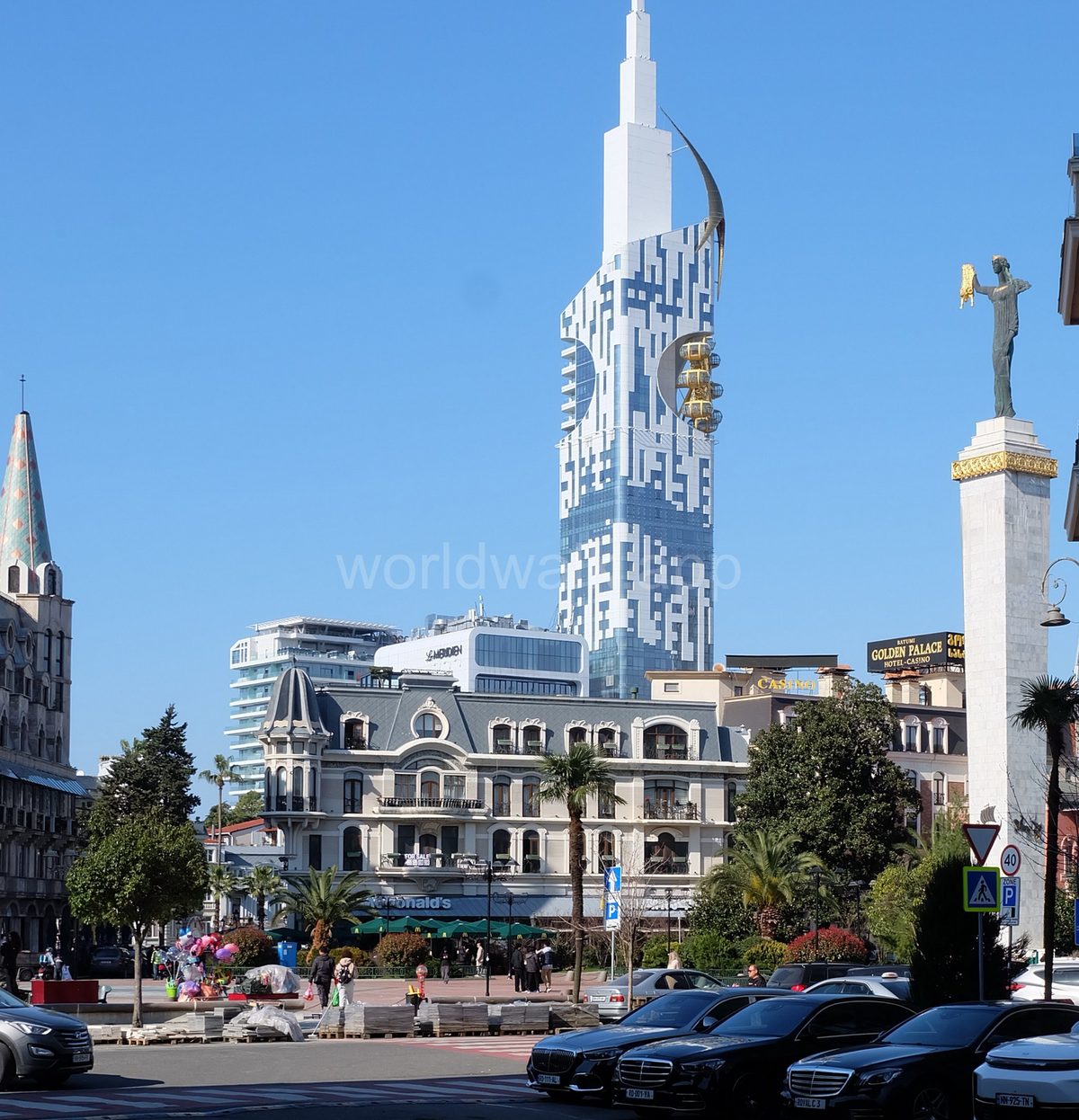
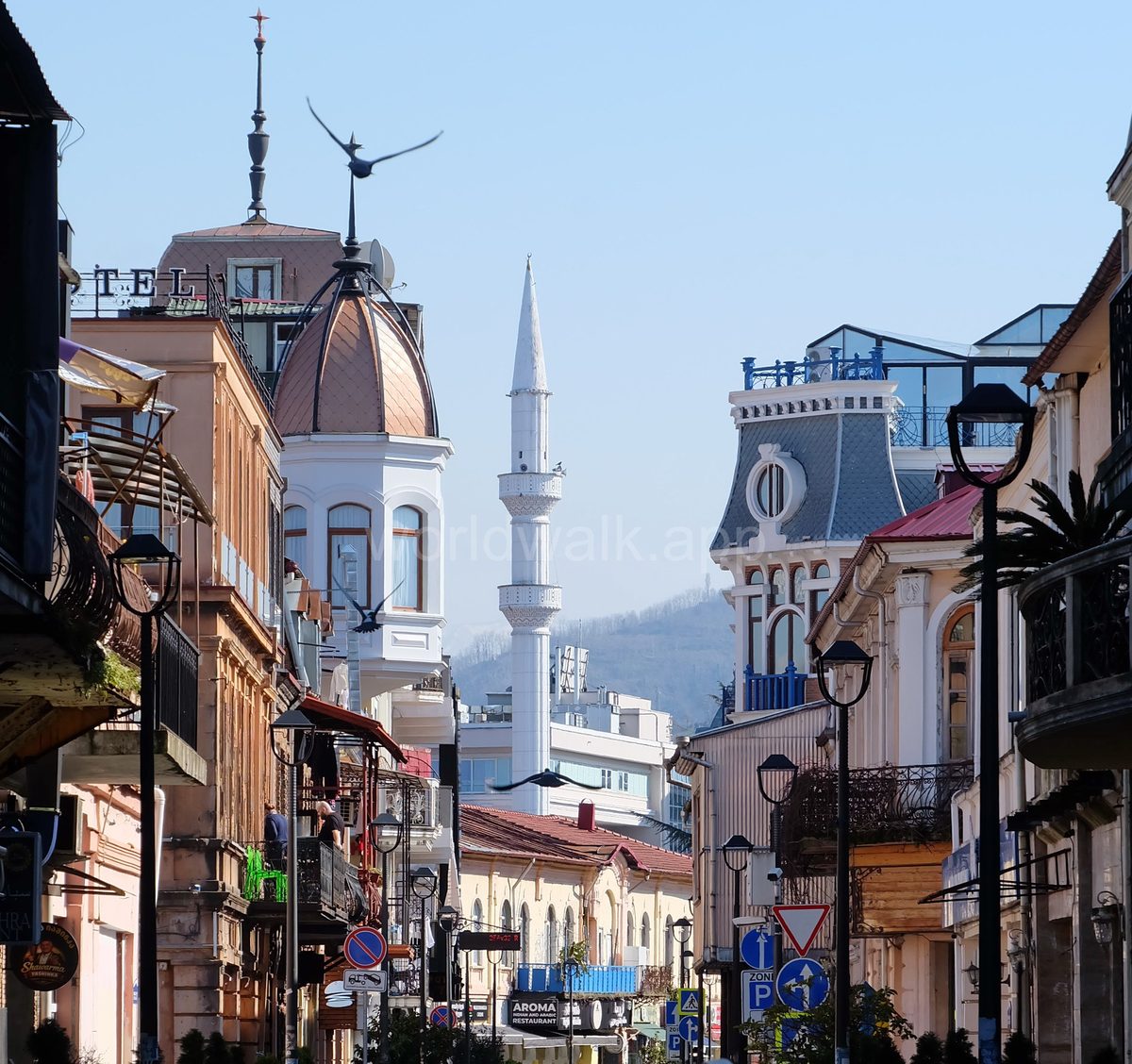
The WorldWalk Batumi audio tour covers 29 stops through the Old Town, port, Turkish Quarter and surrounding streets — audio stories, photos and Google Maps links at every stop. Self-guided, at your own pace.
Start the audio tour →Travel guide Fodor's annual list of places to reconsider now includes the Jungfrau region in Switzerland and Montmartre in Paris, alongside long-standing entries like Santorini, Dubrovnik, Hallstatt, and the Amalfi Coast.
In Mallorca, tensions between locals and tourists are reaching breaking point. In June alone, thousands marched across Spanish cities with banners reading "Tourism kills the city." Rome, Lisbon, and Amsterdam have all warned they are at or near capacity.
This isn't just a quality-of-life issue for residents. It's a practical problem for travellers: higher prices, longer queues, worse service, and the uncomfortable feeling of being part of a problem rather than a guest somewhere.
The alternative isn't to stay home. It's to go somewhere that actually wants you there.
Georgia: The Black Sea Country That Keeps Surprising People
Georgia sits at the eastern edge of Europe, between the Caucasus mountains and the Black Sea. Tbilisi was named one of the world's top trending travel destinations for 2026 by Tripadvisor, placing second in the Trending Destinations category of the Travellers' Choice Awards.
Georgia attracted over 5 million international visitors in 2024 — essentially on par with pre-pandemic levels — and the numbers keep rising. But unlike the overcrowded European destinations, Georgia's infrastructure has grown with its tourism: new hotels, better roads, more flights. The country is investing, not overwhelmed.
Why Georgia Works for Almost Every Type of Traveller
- For beach and sun: Batumi on the Black Sea coast is the main event — more below.
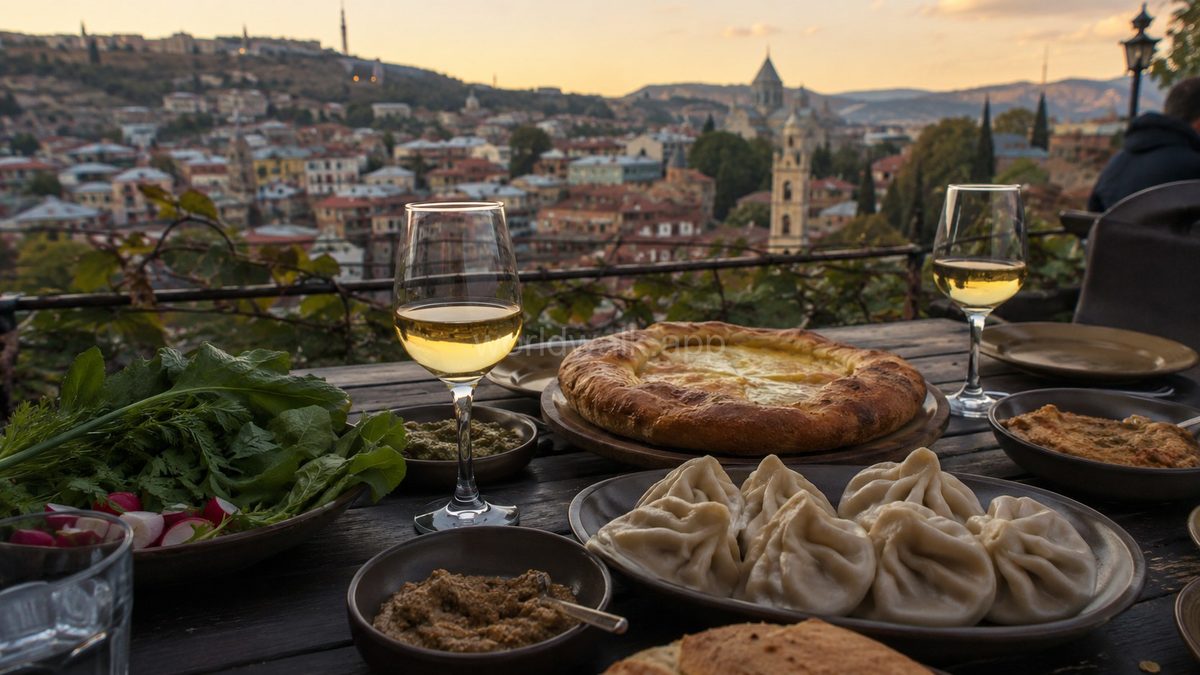
- For food and wine: Georgia is one of the oldest wine-producing regions in the world, with an 8,000-year winemaking tradition. The food — khachapuri, khinkali, grilled meats, walnut sauces — is genuinely excellent and completely unfamiliar to most Western European visitors.
- For history and culture: Tbilisi's Old Town, the cave city of Vardzia, the ancient cathedrals of Mtskheta. Byzantine, Persian, Ottoman, Russian, Soviet — all layered on top of each other.
- For mountains: The Caucasus in summer is extraordinary. Kazbegi, Mestia, Svaneti — remote villages, glacier views, hiking trails that see a fraction of the foot traffic of the Alps.
- For ease: Visa-free for citizens of most European countries, the US, Israel, and most of the Middle East. English is widely spoken in tourist areas.
Practical note for 2026: as of January 1, 2026, all foreign nationals travelling to Georgia are required to present valid travel health insurance. Check before you go.
Batumi: Georgia's Black Sea Coast in Depth
Batumi deserves its own section. It's the reason most beach-focused travellers come to Georgia, and one of the most underrated seaside cities on the Black Sea.
Adjara region — largely driven by Batumi — attracted 2.54 million visitors in 2023, making it the second most visited region in Georgia after Tbilisi. Israeli visitors historically account for around 12–13% of Batumi's tourism revenue, while travellers from Gulf countries make up 7–8%. Word travels fast in these communities: Batumi delivers.
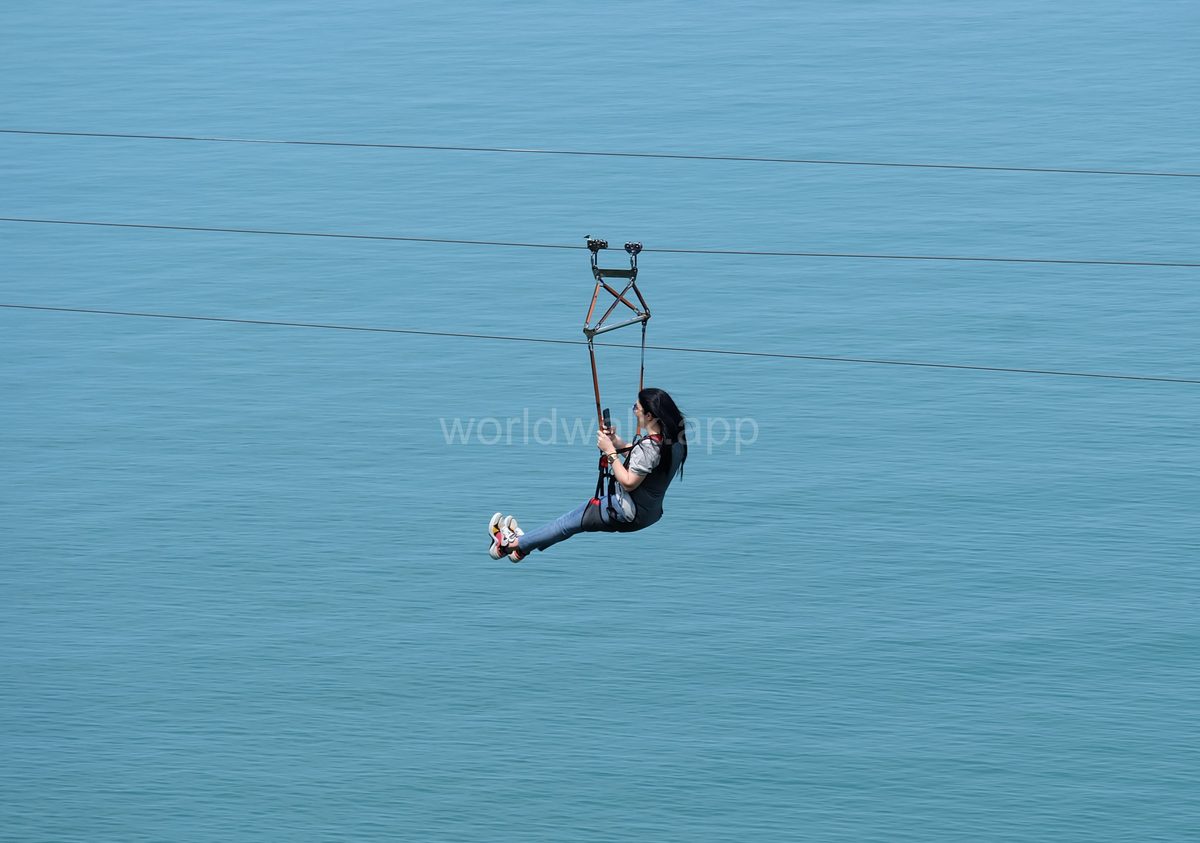
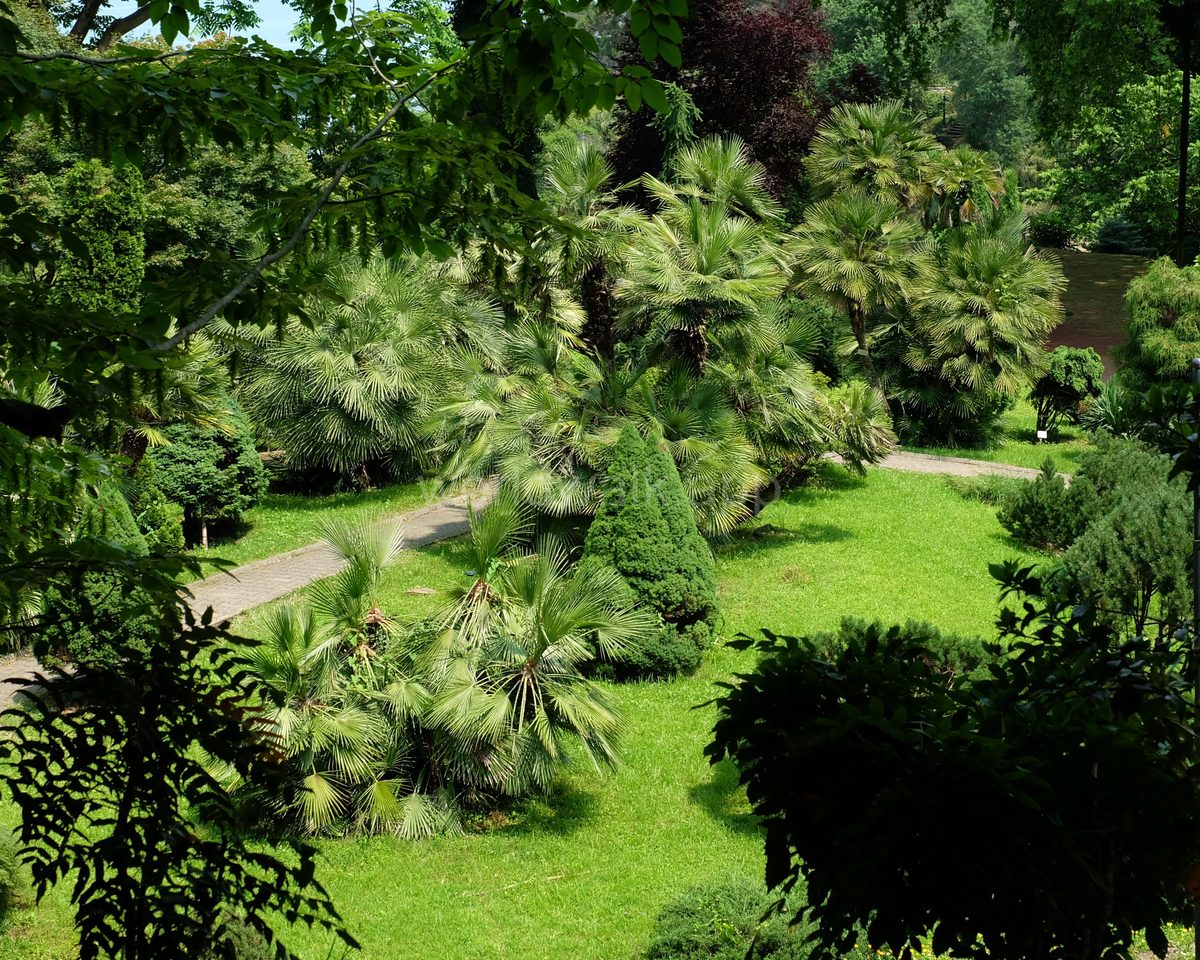
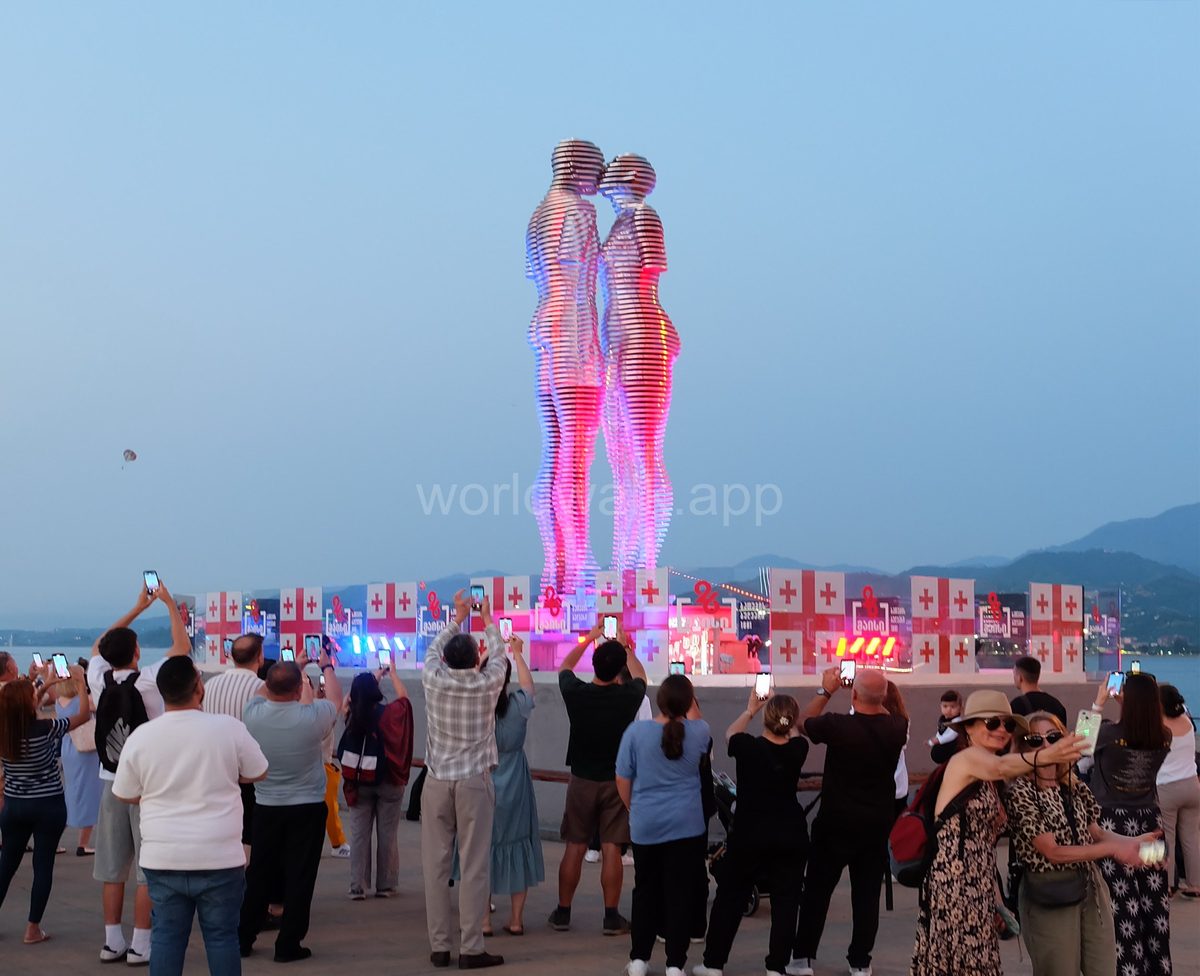
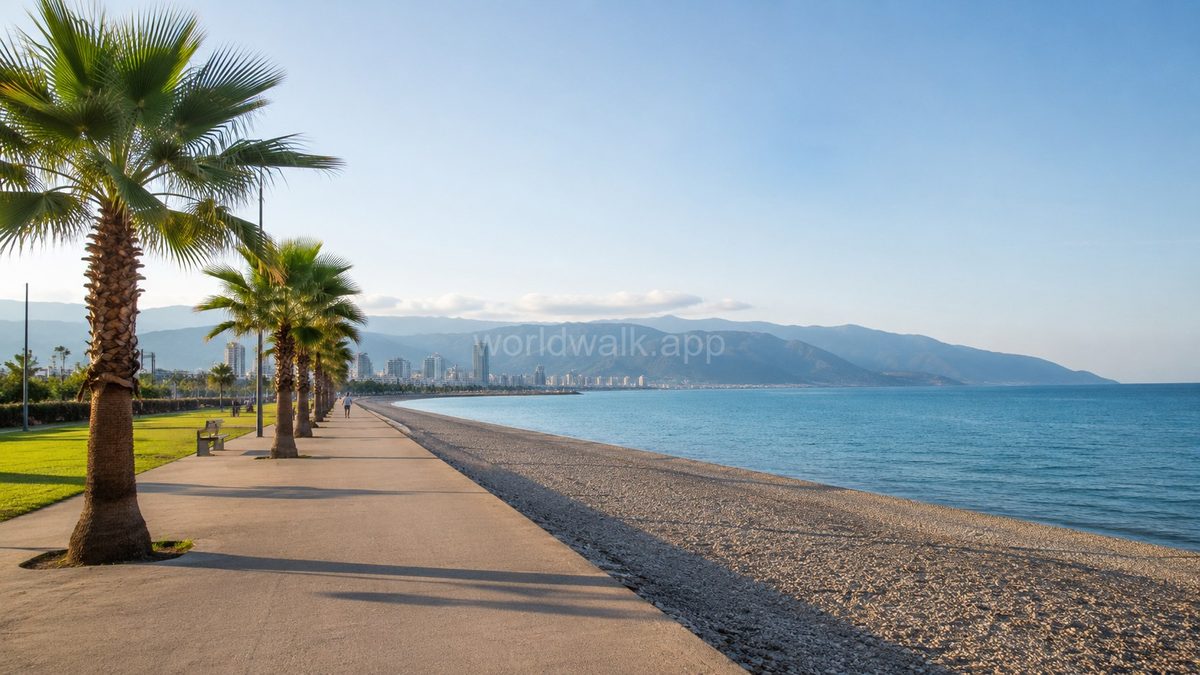
Batumi is a subtropical city — palm trees, warm sea, mountains visible behind the skyline. It has a 7 km seafront boulevard, a historic Old Town with a genuinely layered multicultural history, casinos, rooftop bars, a botanical garden that's one of the largest in the world, and a cable car with panoramic views over the coast and the Caucasus.
Batumi vs. the Mediterranean: An Honest Comparison
| Batumi | Santorini | Dubrovnik | |
|---|---|---|---|
| Beach crowds | Moderate | Extreme | Extreme |
| Average daily cost | €40–70 | €150–250 | €120–200 |
| Sea temperature (July) | 26–28 °C | 25–27 °C | 26–28 °C |
| Local food quality | Excellent | Good | Good |
| Overtourism pressure | Low | Very high | Very high |
| Visa required (EU) | No | No | No |
The sea temperature is comparable. The cost is a fraction. The crowds are manageable. The food is better.
The Old Town: Where History Lives
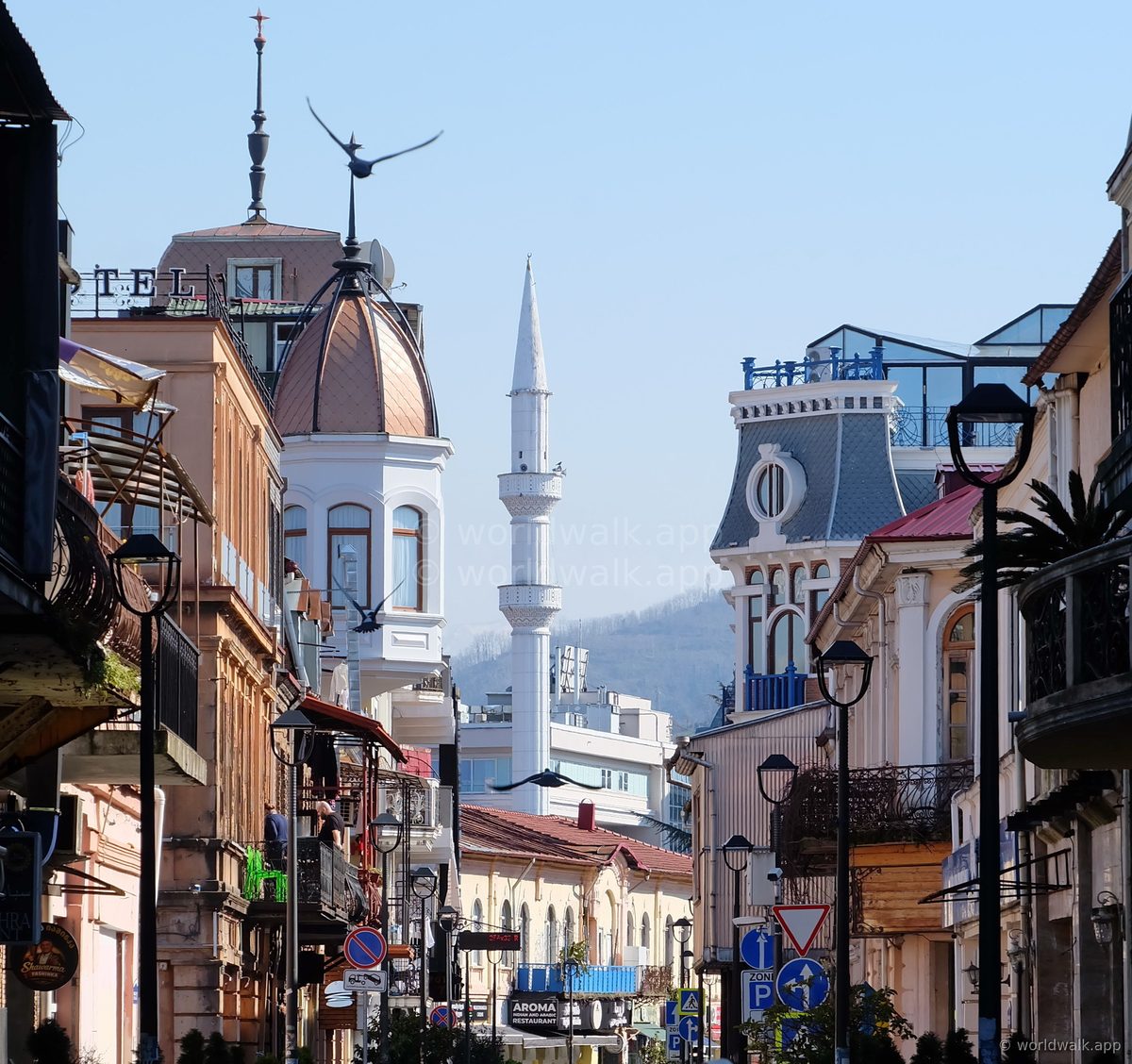
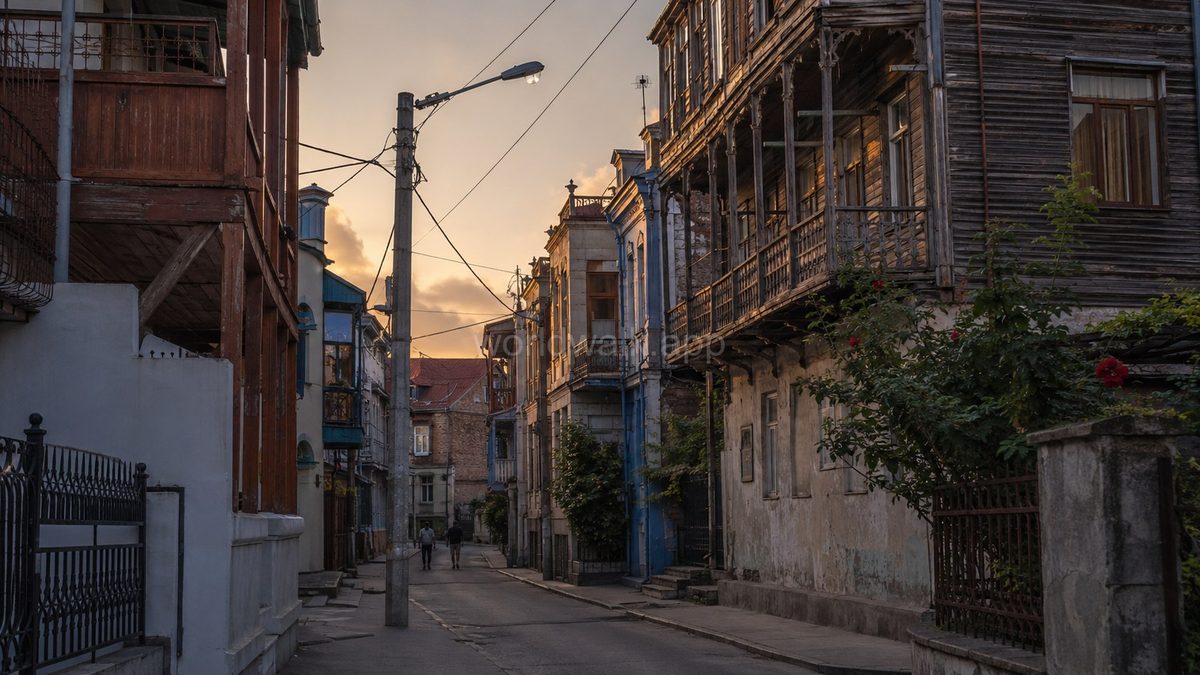
Batumi's Old Town carries the history of every culture that lived here: Georgian, Ottoman, Armenian, Russian, Greek. Within a few blocks you'll find a 1904 synagogue built with permission from Tsar Nicholas II, an active mosque, an Armenian church, and a Neo-Gothic Orthodox cathedral originally built by Italian architects as a Catholic church.
The streets are cobbled, the balconies are wooden, the courtyards are unlocked. It rewards slow walking more than any other part of the city.
A self-guided audio walking tour of the Old Town — 29 stops with audio stories, photos, and Google Maps links — is available at worldwalk.app for Self-guided, at your own pace.
Day Trips from Batumi
- Martvili Canyon — turquoise water, sheer canyon walls, wooden rowboats through the narrows. About 1.5 hours from Batumi, one of the most beautiful places in the region.
- Makhuntseti Waterfall and Medieval Bridge — 30 km away, a 9th-century stone bridge and a waterfall with a natural swimming pool. Half a day.
- Mountain Adjara — national parks, highland villages, waterfalls. A completely different landscape from the coast, an hour's drive away.
Batumi Practical Information
- When to go: June is the best month — warm sea, comfortable temperatures (+27–29 °C), manageable crowds. July and August are hotter (+30–32 °C) and busier. September is underrated.
- Getting there: direct flights from most major European cities, Istanbul, Tel Aviv, Dubai, and Amman. Flight time from Istanbul: 2 hours. From Tel Aviv: 3 hours.
- Budget: a comfortable trip runs €50–80 per day including accommodation, food, and activities.
More reading: Things to Do in Batumi in Summer 2026 · Batumi Old Town Walking Guide · Batumi Bucket List
Türkiye: The Country That Does Everything
Türkiye is not a hidden gem — it's the fifth most visited country in the world. But it's so large and so varied that the crowds are absorbed. Istanbul is busy; the Aegean coast less so; eastern Anatolia barely touched by tourism at all.
For travellers from Europe, the Middle East, and Israel, Türkiye combines the accessibility of a well-developed tourism infrastructure with genuine cultural depth and a price point that makes the Mediterranean look overpriced.
Istanbul: A City That Justifies the Hype
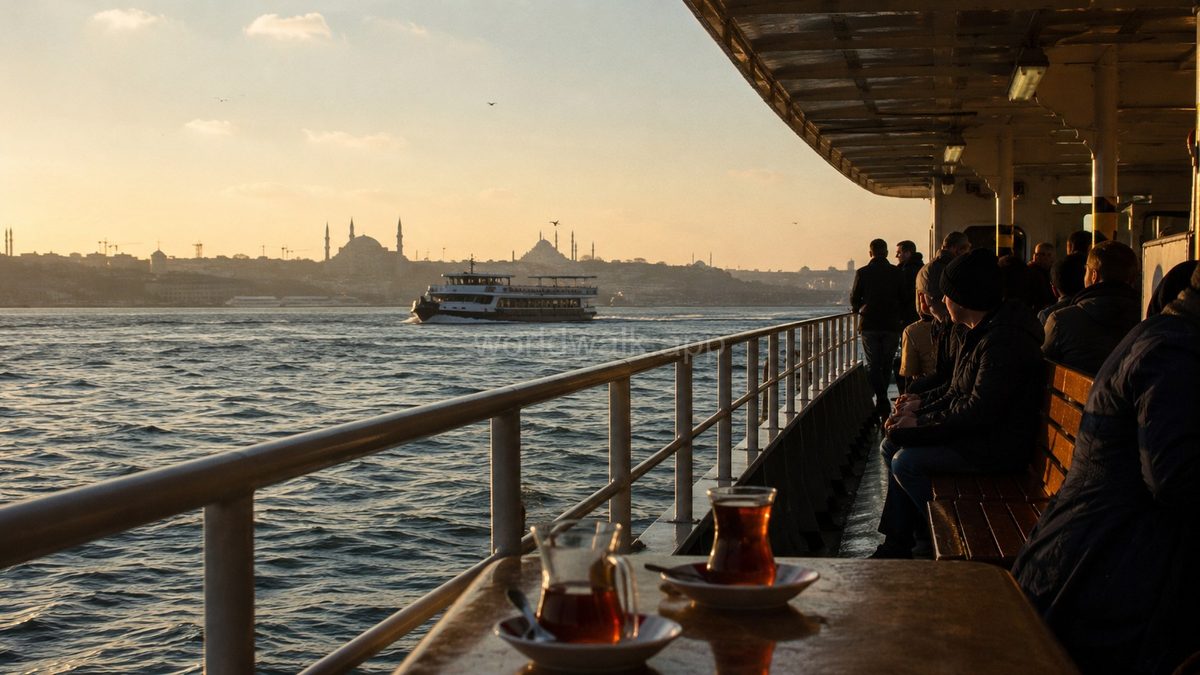
Istanbul is one of the few cities where the superlatives are actually earned. Two continents, two seas, 2,500 years of continuous habitation as a major city. The Hagia Sophia, the Grand Bazaar, the Bosphorus, Sultanahmet, the neighbourhoods of Beyoğlu and Karaköy — the city is dense with things that are genuinely worth seeing.
The tourist quarter around Sultanahmet gets crowded in summer. The rest of the city barely notices. Crossing to the Asian side for lunch takes 20 minutes by ferry and removes you almost entirely from the tourist circuit.
Best time: May–June or September–October. July and August are hot (+32–35 °C) and humid.
The Aegean and Mediterranean Coast
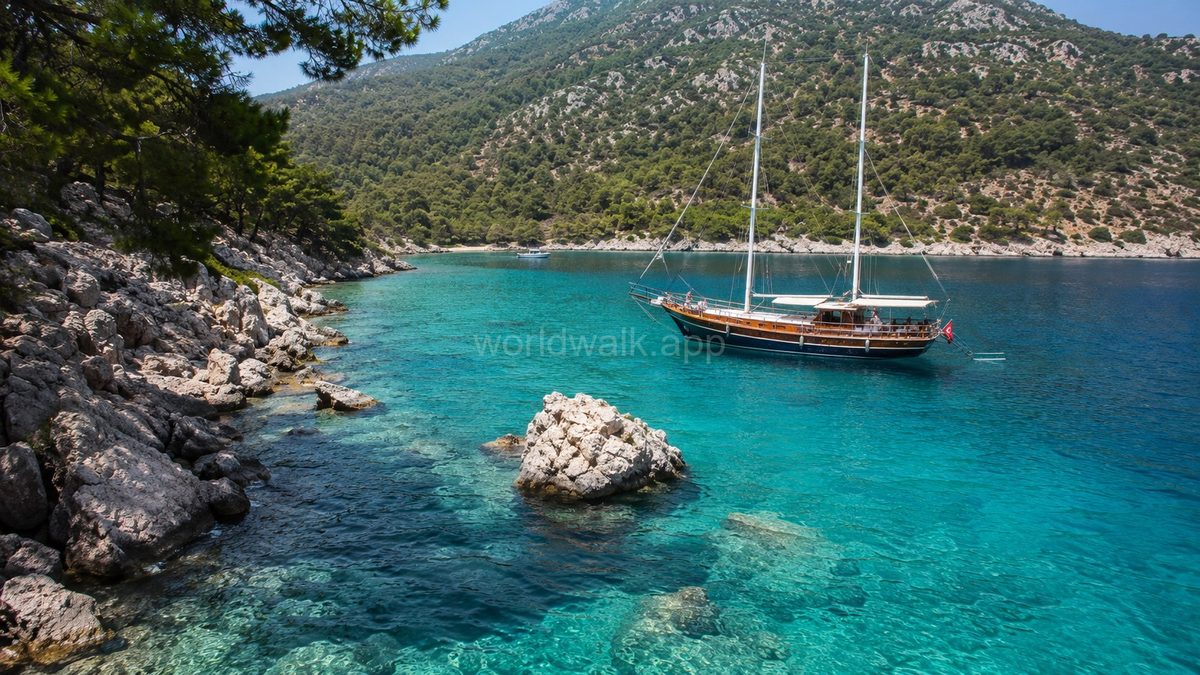
Türkiye's western and southern coastline runs for over 7,000 km. The most visited section — Bodrum, Antalya, Marmaris — is genuinely good and more affordable than comparable Greek islands. The less visited sections are extraordinary.
- The Turquoise Coast (Ölüdeniz, Göcek, Kas): dramatic cliffs, clear water, gulet boat trips through uninhabited coves. Göcek in particular is one of the most beautiful places on the Mediterranean coast that most travellers have never heard of.
- Çeşme: white-washed architecture, clear water, excellent seafood — a more relaxed, affordable alternative to Santorini without the Santorini crowds or prices.
- Cappadocia: the landscape — volcanic rock formations, underground cities, cave hotels — is unlike anything in Europe. Hot air balloon flights at dawn over the valleys are one of those travel experiences that live up to every photograph.
Practical Türkiye
- Visa: most European passport holders can enter Türkiye visa-free or with an e-visa (~$50, applied online before travel).
- Currency: Turkish lira. Exchange rates have made Türkiye significantly affordable for visitors paying in euros, dollars, or shekels.
- Getting there: Istanbul is one of the best-connected cities in the world. Turkish Airlines flies direct to over 300 destinations. From most European cities: 3–4 hours. From Tel Aviv: 2.5 hours.
- Budget: comparable to Georgia — €50–100 per day for comfortable travel, depending on the region.
Georgia + Türkiye: The Combined Trip
One of the best-value travel combinations available in summer 2026 is a trip that covers both countries. The logistics work easily:
Option 1: Fly into Istanbul, fly out of Tbilisi (or Batumi)
- 3–4 days in Istanbul
- Fly or bus to Tbilisi (2 hours by air)
- 2–3 days in Tbilisi
- Train or shared taxi to Batumi (4.5 hours)
- 4–5 days in Batumi
Total: 10–12 days, two countries, Black Sea included.
Option 2: Batumi and eastern Türkiye. Batumi is 20 km from the Turkish border. From Batumi you can cross to Artvin, Trabzon, and the eastern Black Sea coast — a completely different Türkiye from the tourist trail, with dramatic mountain scenery and almost no other foreign visitors.
Who Should Go Where
| If you're... | Go to... |
|---|---|
| A beach person who's done Greece | Batumi |
| A food traveller | Tbilisi or Istanbul |
| Travelling from the Middle East or Israel | Both — short flights, visa-free |
| Wanting history without crowds | Batumi Old Town, Cappadocia |
| On a budget | Georgia (cheapest option) |
| Wanting a city break | Istanbul or Tbilisi |
| A mountain person | Georgian Caucasus |
| Two weeks available | Georgia + Türkiye combined |
The Bottom Line
Europe's most popular destinations in summer 2026 are genuinely overcrowded, and the locals are increasingly making their feelings known. That's not a reason to avoid travel — it's a reason to travel differently.
Georgia and Türkiye offer everything the classic destinations promise: good weather, good food, history, coastline, culture. They're easy to reach, easy to navigate, and significantly more affordable. The difference is that when you arrive, you're a guest somewhere that's genuinely glad you came.
That's what travel is supposed to feel like.
For more on Batumi: Things to Do in Batumi in Summer 2026 · Batumi Old Town Walking Guide · Batumi Bucket List