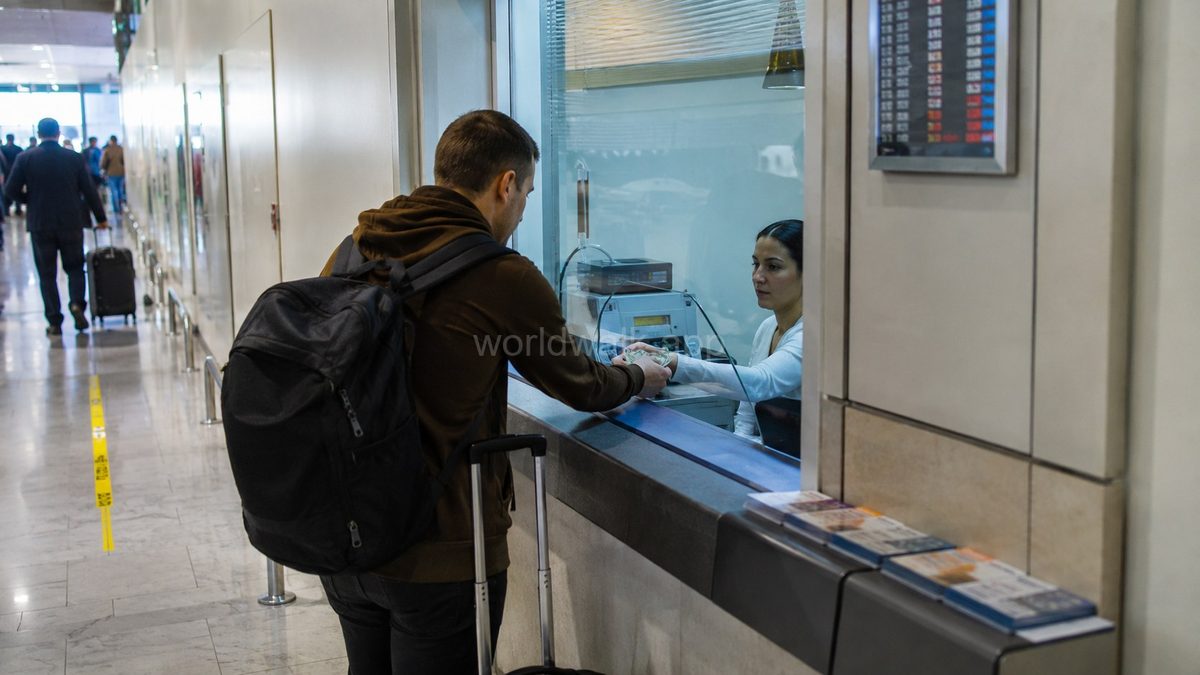
Quick answer: Skip the airport for anything beyond arrival cash. Don't use the first office near your hotel. Go to an area with several offices close together — around Tbilisi Square and Chavchavadze Street — and compare three to five boards before exchanging. Always check the buy rate for your specific currency, not just the commission line.
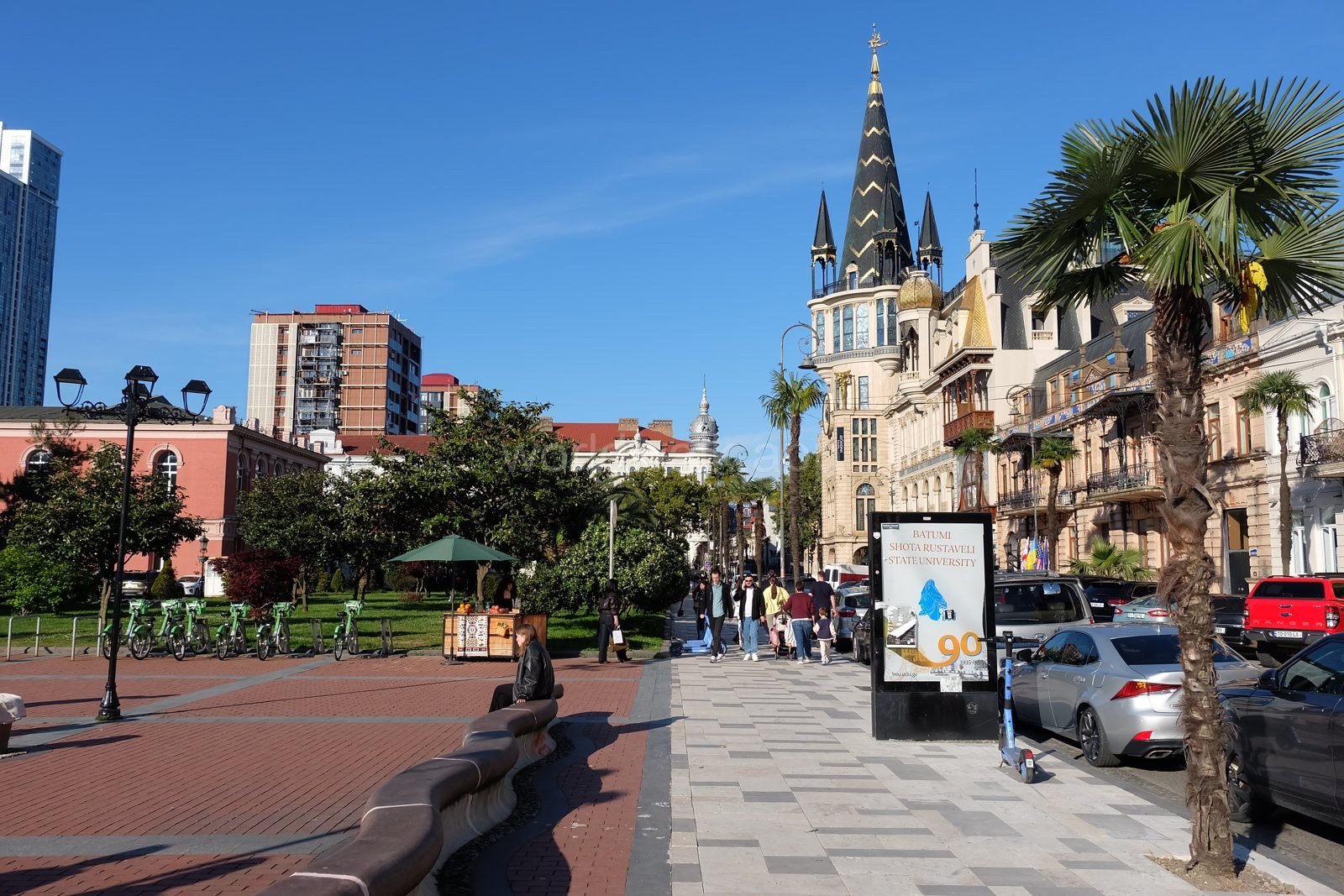
What Currency Is Used in Batumi, Georgia?
Georgia's national currency is the Georgian lari, written as GEL. Most day-to-day prices in Batumi — cafés, taxis, markets, entrance fees and local services — are paid in Georgian lari. You will need local currency for daily spending.
That said, many hotels, larger restaurants, supermarkets and shopping centres in Batumi accept Visa and Mastercard. If you are staying somewhere established and eating at sit-down restaurants, you can often manage with a card for a good portion of your trip.
Also from WorldWalk
The Port Where Empires Met and Mixed — a separate 46-stop Batumi walking tour, about 2.5 hours. Available on VoiceMap.
Explore the tour on VoiceMap → Start our tour in Telegram →Cash still matters, though. Small shops, local bakeries, markets, street food stalls, some taxis and some shared minibuses may expect payment in lari. A sensible middle ground works best: keep a reasonable amount of GEL on hand for smaller daily expenses, and use your card for larger purchases where accepted.
Why Exchange Rates Differ in Batumi
The WorldWalk Batumi audio tour covers 29 stops through the Old Town, port, Turkish Quarter and surrounding streets — audio stories, photos and Google Maps links at every stop. €6.50 one-time, via Telegram.
Start the audio tour →Every exchange office in Batumi sets its own rates. There is an official rate published by the National Bank of Georgia, but this is a reference point, not a price ceiling. Private exchange offices are free to offer better or worse rates depending on their business model, location and customer volume.
In practice, this means two offices standing fifty metres apart can offer meaningfully different rates for the same currency.
Tourist-heavy zones often see less competitive rates because footfall is high and many customers exchange money without comparing. An office near a popular hotel or on a busy seafront street has less pressure to compete. An office a short walk away, serving a mixed local-and-tourist customer base, may try harder.
The spread — the gap between the buy rate and the sell rate — is where profit is made. A wide spread, even with "no commission" advertised, can cost you more than a narrow spread with a small declared fee. This is why comparison is not optional.
Read also: How to Get Around Batumi: Transport, Taxis and Walking
Avoid Exchanging Money at Batumi Airport Unless Necessary
Batumi airport is small and straightforward to navigate. The airport currency exchange facility is legitimate. However, airport exchange is convenient rather than competitive. Unless you have checked the live rate and it looks favourable against what city offices typically offer, use the airport only for a small arrival amount.
Exchange the minimum for those first expenses — a taxi, a SIM card, a bus, or a snack before you settle in. Once you are in the city, compare rates properly before changing a larger amount. The difference between a poor rate and a competitive one adds up quickly on a larger exchange.
Do Not Use the First Exchange Office Near Your Hotel
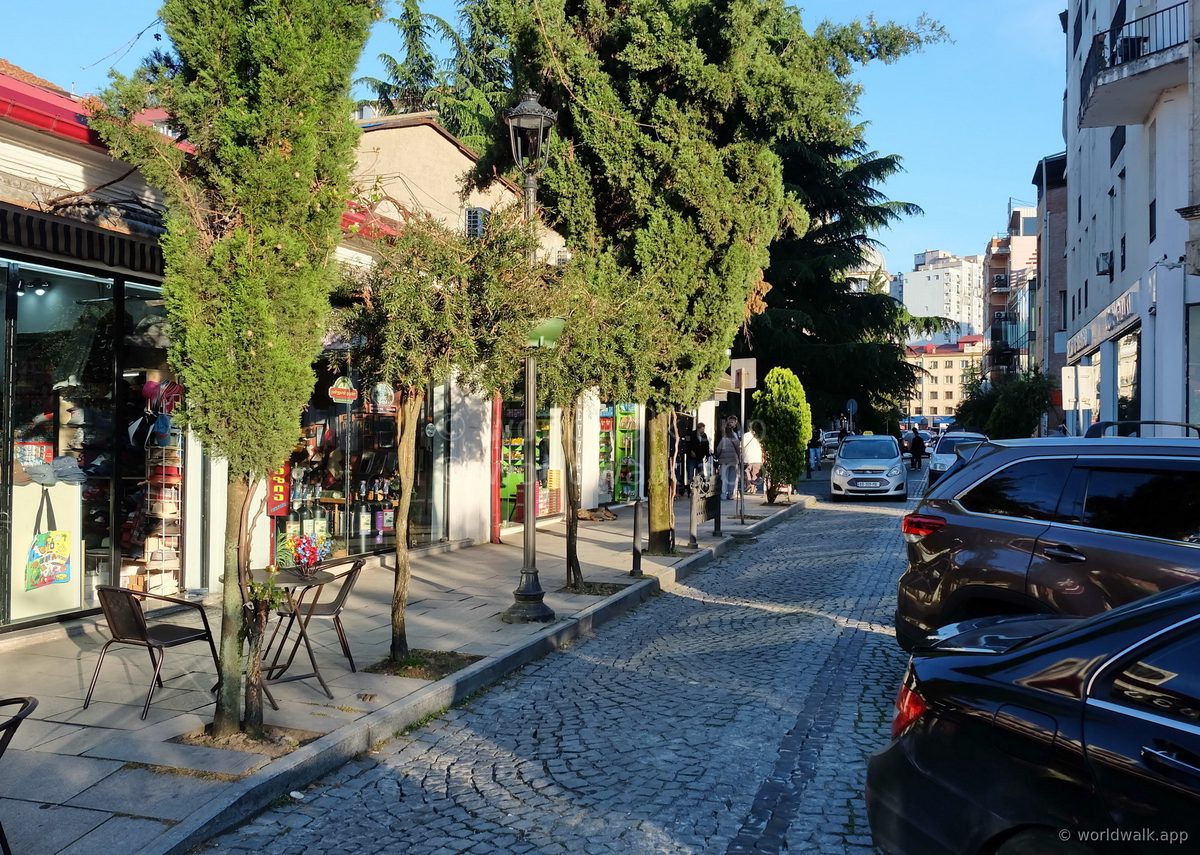
You arrive at your accommodation, you need lari, and there is an exchange office conveniently placed thirty seconds from the entrance. This is the most common mistake tourists make in Batumi.
The rate at that office was built for exactly this moment: tired, unfamiliar with local rates, not planning to walk anywhere to compare. Areas around hotels, the seafront boulevard and popular tourist squares tend to have exchange offices that rely on convenience rather than competitive pricing.
This does not mean every hotel-area exchange office offers a poor rate. But it does mean you should not assume it is a good one. Walk for a few minutes. Look at three, four, five different boards. Rates are displayed publicly and reading them takes seconds. You will quickly develop a feel for what the going rate looks like that day.
Read also: One Day in Batumi: The Perfect Self-Guided Walking Itinerary
Where to Compare Exchange Rates in Batumi
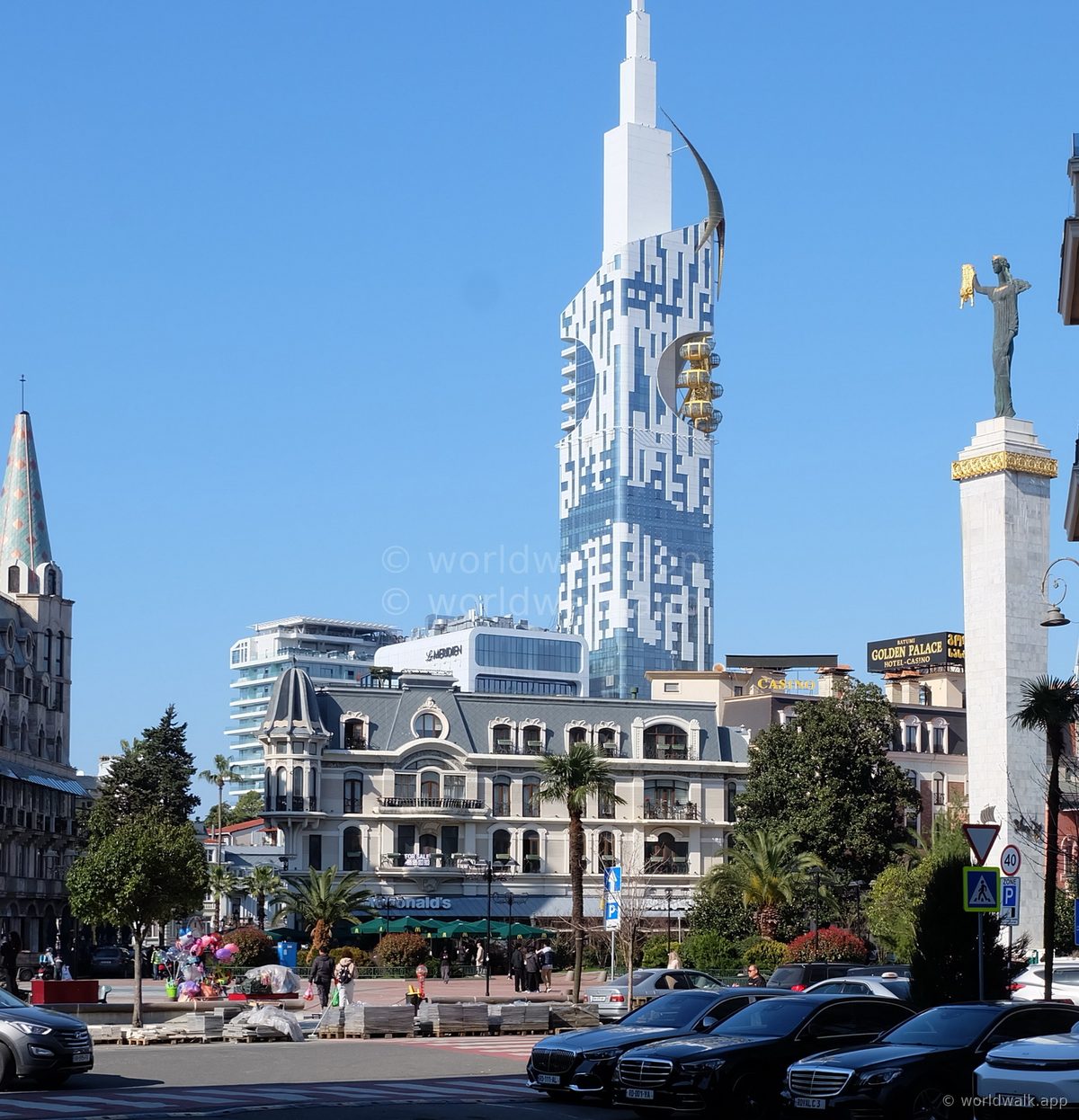
When you are new to the city and want to compare efficiently, it helps to find an area where multiple exchange offices are clustered together. One such area is around Tbilisi Square and Chavchavadze Street in central Batumi. Several exchange offices operate within a short walking distance of each other here, making it practical to check three or four boards without significant effort.
Because the offices can see each other's rates — or at least know they are competing — there is more pressure to stay competitive. This does not mean this area always offers the city's absolute best rate. Rates change daily, sometimes hourly. An office in a quieter neighbourhood, or one recommended by a local on the day you visit, might offer something better. The point is that clustering makes comparison easier.
Where to Exchange Dollars, Euros and Rubles in Batumi
Exchange offices in Batumi do not set one universal rate for all foreign currencies. They set individual buy rates for each currency they handle — US dollars, euros, British pounds, Turkish lira, Russian rubles and others. The relative competitiveness of those rates can vary quite differently from one office to another.
If you want to exchange dollars in Batumi, compare the USD buy rate specifically. The office with the best rate for USD may not be the same office with the best EUR rate.
If you want to exchange euros in Batumi, check the EUR buy rate separately at each office. Do not assume that an office offering a strong rate for dollars is equally strong for euros.
If you want to exchange rubles in Batumi, check the RUB buy rate independently. Not all exchange offices in Batumi handle rubles, and among those that do, rates can vary more noticeably than for major Western currencies.
In practical terms: if you are carrying two currencies — say, euros and dollars — check which office is stronger for each one before deciding. You might find the best rate for euros at one office and walk a few doors down for the best rate for dollars at another.
How to Read an Exchange Board
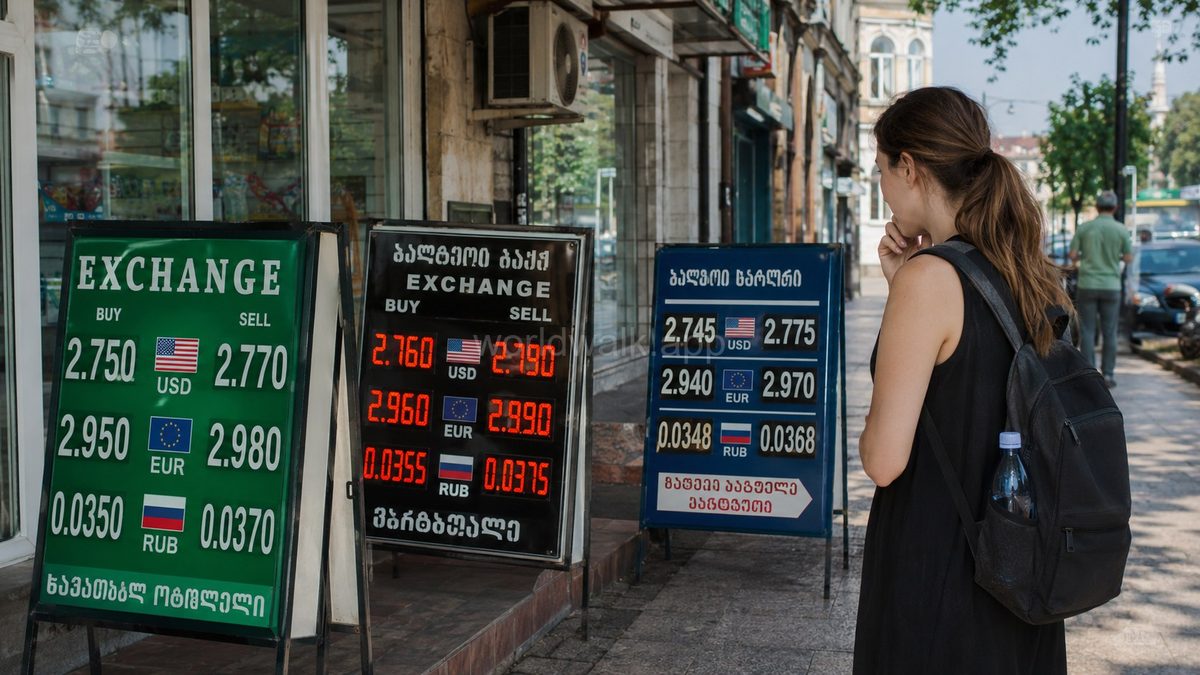
Exchange boards in Batumi typically show two columns: a buy rate and a sell rate, listed for each currency the office handles.
When you are converting your foreign cash into Georgian lari, the relevant number is the buy rate — the rate at which the office is buying your currency from you. A higher buy rate means more lari per unit of your foreign currency. That is the number to compare across offices.
Look also for a commission line. Some offices charge a flat fee or percentage on top of the rate. Others advertise "no commission" — but this phrase does not automatically mean the best deal. If the buy rate is lower than a competitor who charges a small commission, you may end up with less lari overall.
If anything is unclear, ask before you hand over cash. Any legitimate exchange office will tell you exactly how much lari you will receive for your specific amount before the transaction is confirmed.
Banks, Exchange Offices or ATMs?
Banks can be reliable and are regulated, but opening hours are more limited than private exchange offices, and some transactions may involve paperwork for larger amounts.
Private exchange offices are the most convenient and the most common option for tourists. They are open long hours, fast, and require no card or account. The trade-off is that rates vary widely, so comparison matters.
ATMs are another route to local cash. Most international cards work at Batumi ATMs, but the total cost depends on your card provider's foreign transaction fees, the ATM operator's fees, and the exchange rate applied.
One important point: if an ATM or card terminal offers a choice between GEL and your home currency, choose GEL. This avoids dynamic currency conversion, where the terminal applies its own exchange rate — and that rate is rarely in your favour.
Safety Tips for Exchanging Cash in Batumi
Batumi is generally a safe city for tourists, but basic caution around cash still applies.
- Use visible, established exchange offices — booths or storefronts with clearly displayed boards, not individuals approaching you on the street.
- Check the board before entering. If you walk inside and the rate changes, or the verbal offer differs from what you saw outside, walk out.
- Ask about commission before agreeing to any transaction.
- Count your lari carefully before leaving the counter. If the amount does not match what was agreed, raise it immediately, before you step away.
- Do not carry your full travel budget in one place. Split cash storage between a wallet, a secure pocket and your accommodation safe if available.
How Much Cash Do You Need in Batumi?
Exchange enough lari for one to two days of typical spending, see how your spending actually works out, and top up from a better-placed exchange office once you have had time to compare properly. There is no need to carry large sums.
Cash becomes essential for street food, fresh produce markets, small guesthouses, local bakeries and tips. Keep a working amount in GEL at all times, but many hotels, restaurants and shops in central Batumi accept cards comfortably, so your daily cash need may be smaller than expected.
Exploring Batumi After You Have Your Lari
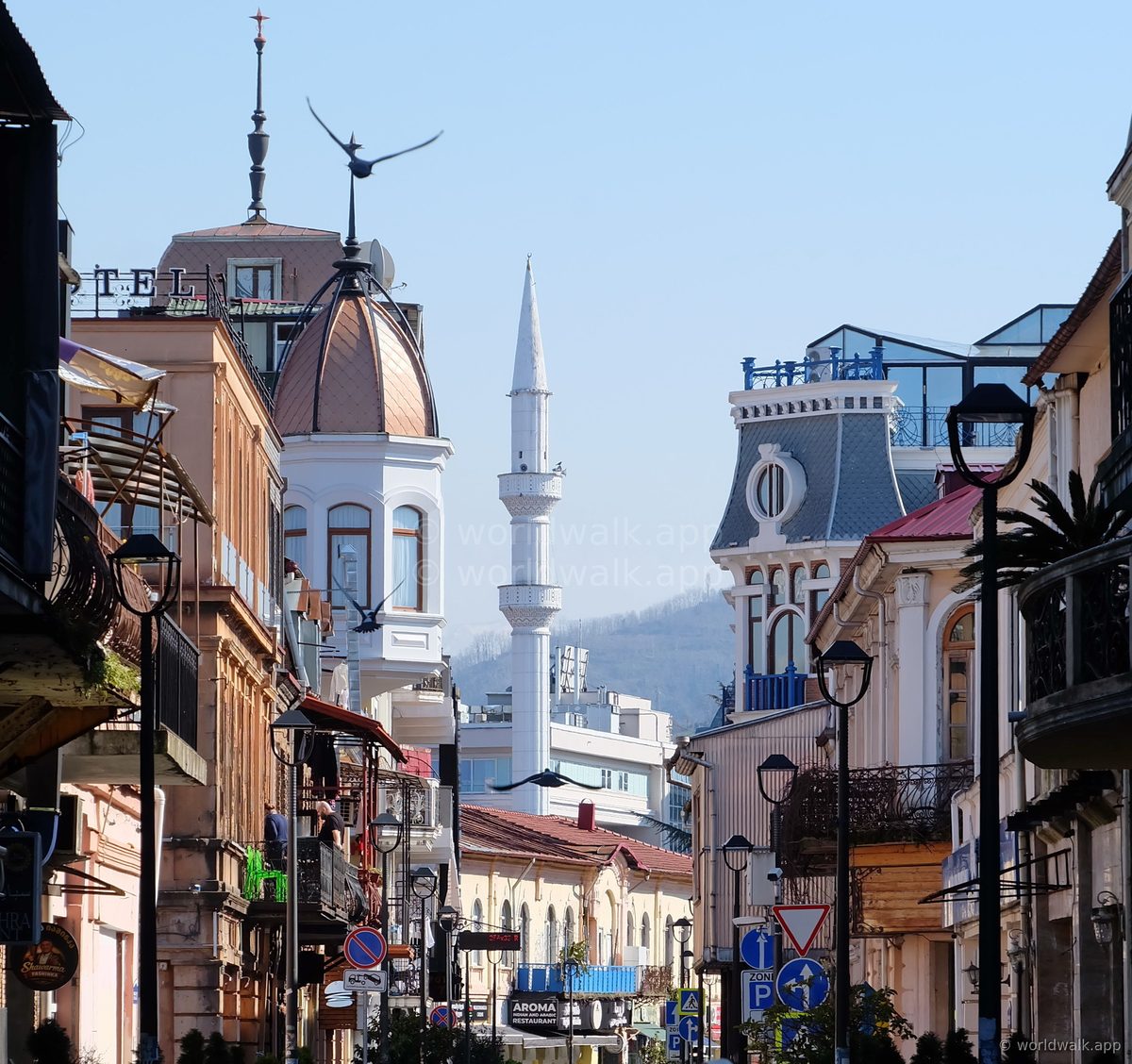
If you are staying in or near Old Town, it is easy to combine a practical currency exchange stop around Chavchavadze Street or Tbilisi Square with the start of a walk through central Batumi. The area is compact and most of the historic centre is within easy walking distance once you have your lari sorted.
Once you have your lari sorted, the WorldWalk Batumi audio walking tour gives you a self-guided route through Old Town, port streets and Europe Square with audio commentary and Google Maps navigation — useful if you prefer exploring at your own pace rather than following a group.
Final Verdict
Knowing where to exchange money in Batumi is the easy part — there are exchange offices everywhere. Getting a rate you can feel good about takes a few extra minutes of comparison, and it is almost always worth the effort.
The practical rules are simple. Skip the airport exchange for anything beyond your immediate arrival needs. Do not rely on the first office near your hotel. Go to an area where several offices are close together — Tbilisi Square and Chavchavadze Street is a reasonable starting point — and compare three to five boards before committing.
Remember that currency exchange in Batumi works differently depending on which currency you are exchanging. The office with the best rate for dollars may not offer the best rate for euros or rubles. Check the rate for your specific currency at each office. Read the buy rate, check the commission, count your money before leaving.
Frequently Asked Questions
Where is the best place to exchange money in Batumi?
There is no single permanent answer, because rates change constantly. The practical approach is to find an area where several exchange offices are close together — such as around Tbilisi Square and Chavchavadze Street in central Batumi — and compare three to five boards before exchanging. The office with the best rate today may not be the best tomorrow.
Should I exchange money at Batumi Airport?
Only exchange a small amount at Batumi airport — enough for a taxi, SIM card or immediate needs. Airport exchange is convenient rather than competitive. Unless you have checked the live rate and it looks favourable, use the airport only for a small arrival amount and compare city rates before changing a larger sum.
What currency is used in Batumi?
Georgia uses the Georgian lari (GEL). Most day-to-day prices in Batumi are in lari. Cards are widely accepted in hotels, larger restaurants and shops, but you will need cash for markets, some local transport, bakeries and tips.
Can I pay by card in Batumi?
Yes, in many hotels, restaurants and shops. However, small local businesses, markets, street food stalls and some taxis typically require cash in GEL. Carrying some lari is always advisable.
Where can I exchange dollars in Batumi?
You can exchange USD at most private exchange offices in the city. To get a good rate, compare the USD buy rate at several offices rather than using the nearest one. Areas with clustered exchange offices, such as around Tbilisi Square and Chavchavadze Street, make this comparison easier. The best rate varies by day and by office.
Where can I exchange euros in Batumi?
Euro exchange is available at most exchange offices in Batumi. To get a competitive rate, check the EUR buy rate specifically at several offices. The best rate for euros may be at a different office than the best rate for dollars, so compare the EUR rate on its own.
Can I exchange rubles in Batumi?
Yes, many exchange offices in Batumi handle Russian rubles, though not all do. Check the RUB buy rate separately — it can vary more between offices than rates for major Western currencies. The best rate for rubles may be at a different office than the best rate for USD or EUR.
Do exchange offices in Batumi charge commission?
Some do, some advertise "no commission." Be cautious: "no commission" does not automatically mean the best deal. The margin may be built into the rate itself. Always check the buy rate you will actually receive for your specific currency and compare it across several offices.
How much cash should I carry in Batumi?
Exchange enough for one to two days of typical spending, see how much you actually use, and top up as needed. There is no reason to carry large amounts at once. Many central venues accept cards, so your daily cash requirement may be lower than expected once you settle in.