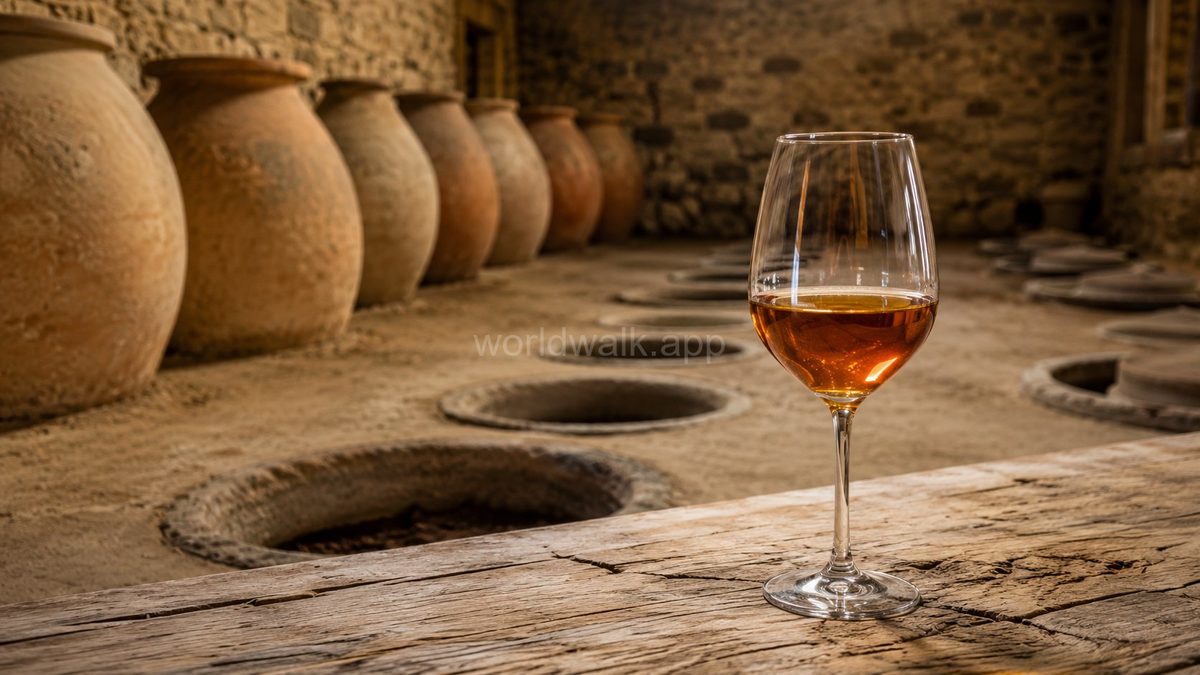
Quick answer: Georgian wine is one of the world's oldest documented wine traditions. It is known for local grape varieties such as Saperavi and Rkatsiteli, traditional qvevri clay vessels, and amber wines made from white grapes with extended skin contact. This guide explains what each of these means and how to start tasting Georgian wine without feeling lost.
Why Georgian Wine Matters
In Georgia, wine is not simply a drink that arrives with dinner. It is woven into the way people eat, gather, celebrate and mourn. The traditional Georgian feast — the supra — is structured around toasts led by a tamada, a toastmaster, and wine flows through it as both a social and a symbolic presence. Families keep their own wine. Villages have their own methods. Grape varieties that have been cultivated for centuries in one valley may be barely known twenty kilometres away.
Also from WorldWalk
The Port Where Empires Met and Mixed — a separate 46-stop Batumi walking tour, about 2.5 hours. Available on VoiceMap.
Explore the tour on VoiceMap → Start our tour in Telegram →This is not romantic exaggeration. It is simply that in Georgia, wine has had a long time to become part of how people understand themselves.
For travellers, this means that tasting Georgian wine is one way to understand the country more slowly and more attentively — not through a wine tourism checklist, but through noticing what arrives on the table and why.

Is Georgian Wine Really 8,000 Years Old?
The short answer is: the 8,000-year figure is widely cited and supported by important archaeological evidence, but it should still be phrased carefully.
Archaeological research in the South Caucasus has uncovered ancient pottery containing residues consistent with wine, with findings in Georgia often cited as among the earliest evidence of winemaking anywhere in the world. The National Wine Agency of Georgia and institutions such as Wines of Georgia frequently reference the 8,000-year figure, and it is widely cited in Georgian wine culture.
"8,000 years" should be understood as a working description of what the archaeological record currently suggests — not a universally settled claim. The UNESCO inscription of the ancient Georgian traditional qvevri wine-making method in 2013 lends further institutional recognition to the depth of this tradition.
What this means for a traveller is simpler: Georgia has been doing this for a very long time, and that history is present in the way wine is made, named, served and talked about here.
Read also: What to Eat in Batumi, Georgia: 12 Local Dishes
What Is Qvevri Wine?
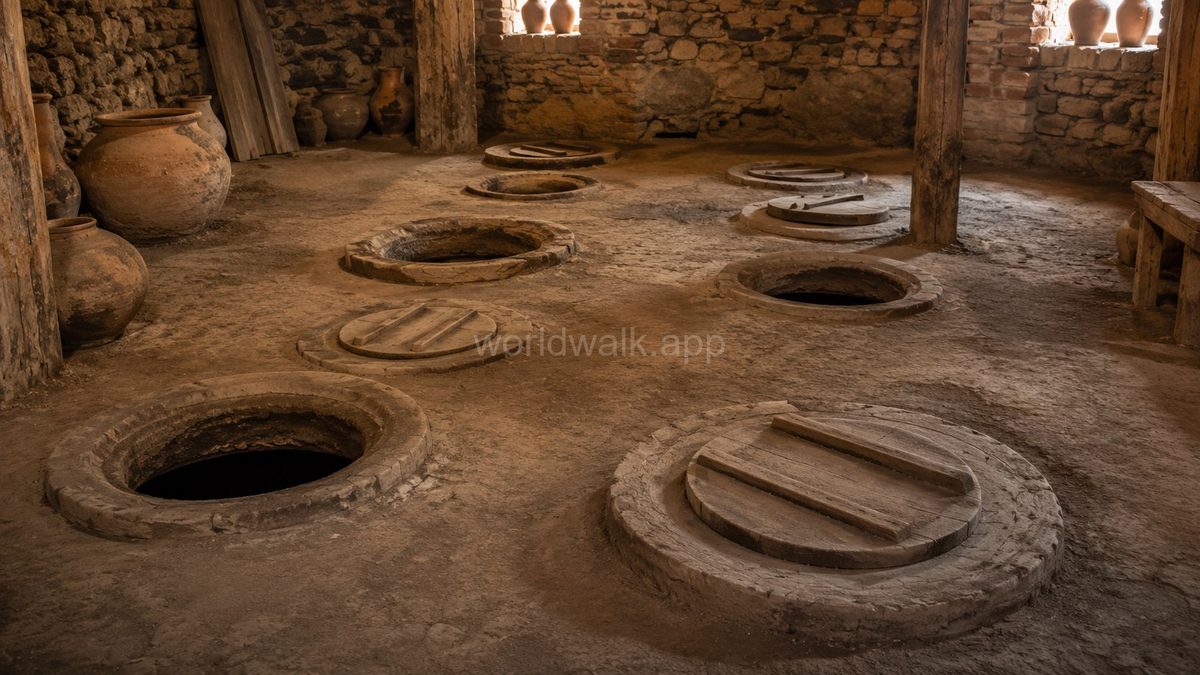
Qvevri (sometimes spelled kvevri) are large clay vessels used in traditional Georgian winemaking. They are typically egg-shaped and, in most traditional methods, buried underground up to their necks. The earth helps regulate temperature during fermentation and ageing.
The winemaking process in a qvevri typically involves fermenting grape juice alongside the grape skins, seeds and sometimes stems. This skin contact — which may last from a few weeks to several months — gives the wine colour, texture and tannins. After fermentation, the qvevri is covered and sealed for ageing. The inside of the vessel may be lined with beeswax, though details vary by producer and region.
The qvevri itself is made from local clay and can last for generations if cared for properly. Some families in Georgia use vessels that have been in continuous use for a hundred years or more.
In 2013, UNESCO inscribed the ancient Georgian traditional qvevri wine-making method on its Representative List of the Intangible Cultural Heritage of Humanity.
Not every Georgian wine is made in qvevri. Many Georgian wineries use modern European-style equipment. Knowing whether a wine is qvevri-made is useful context, not a quality judgment.
What Is Amber Wine?
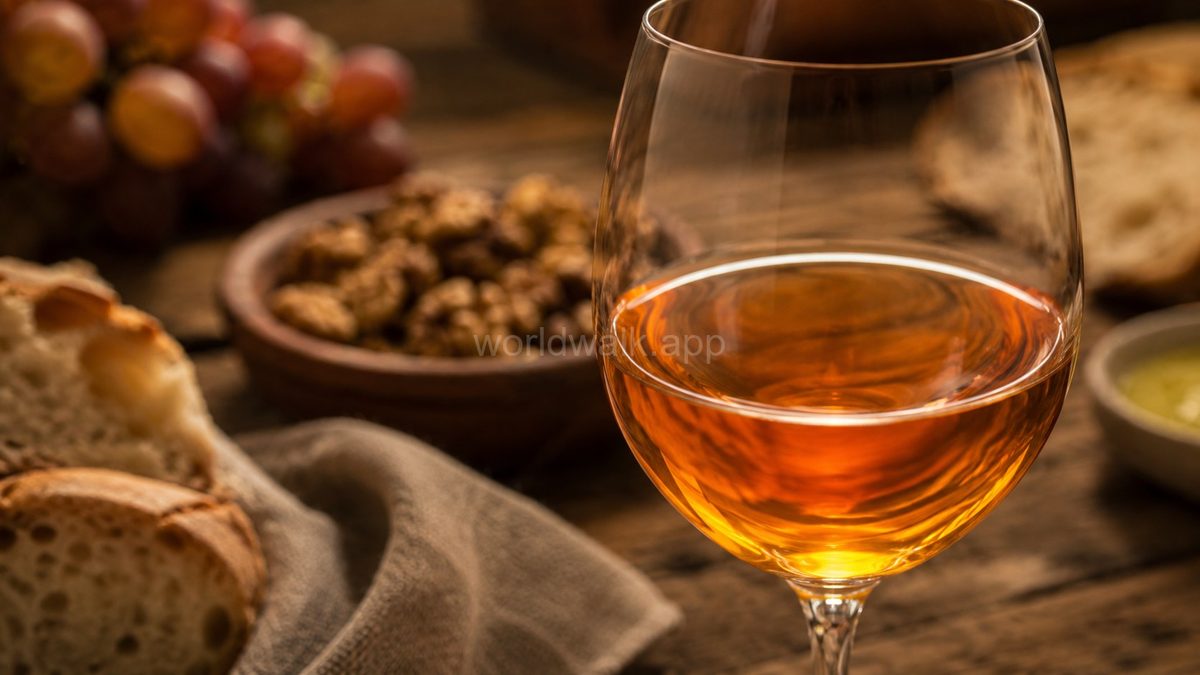
Amber wine is made from white grapes with extended skin contact — meaning the juice and grape skins ferment together for longer than in conventional white wine production. This gives the wine a deeper colour (amber, orange or golden), more textural weight, and often some tannins.
It is not rosé, which is made from red grapes with brief skin contact. It is not a faulty or oxidised wine, though it may taste different from what travellers expect a white wine to be. The colour comes from the skins, not from ageing in certain barrels or from added ingredients.
Amber wine can taste earthy, nutty, complex and sometimes a little dry and firm — especially when made in qvevri with long skin contact. If you are used to crisp, light European whites, your first amber wine may surprise you. This is worth knowing before you order one.
Some Georgian amber wines are made in qvevri, but the two categories are not the same. A wine can be amber without being qvevri-made, and a qvevri wine can be red or a conventional white.
Georgia has a long tradition of amber wine, particularly in Kakheti, where extended skin contact has long been central to many traditional white-wine methods. This is one reason Georgian winemaking attracts interest from natural wine drinkers and wine professionals internationally — not because amber wine is new, but because Georgia has been making it this way for a very long time.
The WorldWalk Batumi audio tour covers 29 stops through the Old Town, port, Turkish Quarter and surrounding streets — audio stories, photos and Google Maps links at every stop. Self-guided, at your own pace.
Start the audio tour →Read also: What Is Churchkhela? A Guide to Georgia's Traditional Sweet
How Georgian Wine Differs from French, Italian or Spanish Wine
The differences are real, and they are worth understanding before you start tasting.
The grapes are different. Georgia has hundreds of local grape varieties, most of which are unknown outside the South Caucasus. The varieties travellers recognise from European wine lists — Cabernet, Chardonnay, Pinot Noir — are present in Georgia, but they are not the heart of Georgian winemaking. The local varieties behave differently in the glass, and many have no close equivalent in other wine traditions.
The texture can be different. Qvevri wines and amber wines often have more body and tannin than you might expect from white wine. Even some Georgian reds are unusually deep in colour and structure. This is not a flaw; it is a different approach to what wine can be.
The style range is wide. Georgian wine is not one thing. Some is made in traditional qvevri by small family producers. Some is made in large, modern wineries using conventional equipment. Some is natural; some is not. Generalisations do not travel well here.
The point is not that Georgian wine is better or more authentic than French, Italian or Spanish wine. Georgian winemaking is simply different — older in many respects, built around different grapes and methods, and worth understanding on its own terms.
Georgian Grape Varieties to Know
You do not need to memorise all of these before your trip. But knowing a few names can help you order with some confidence.
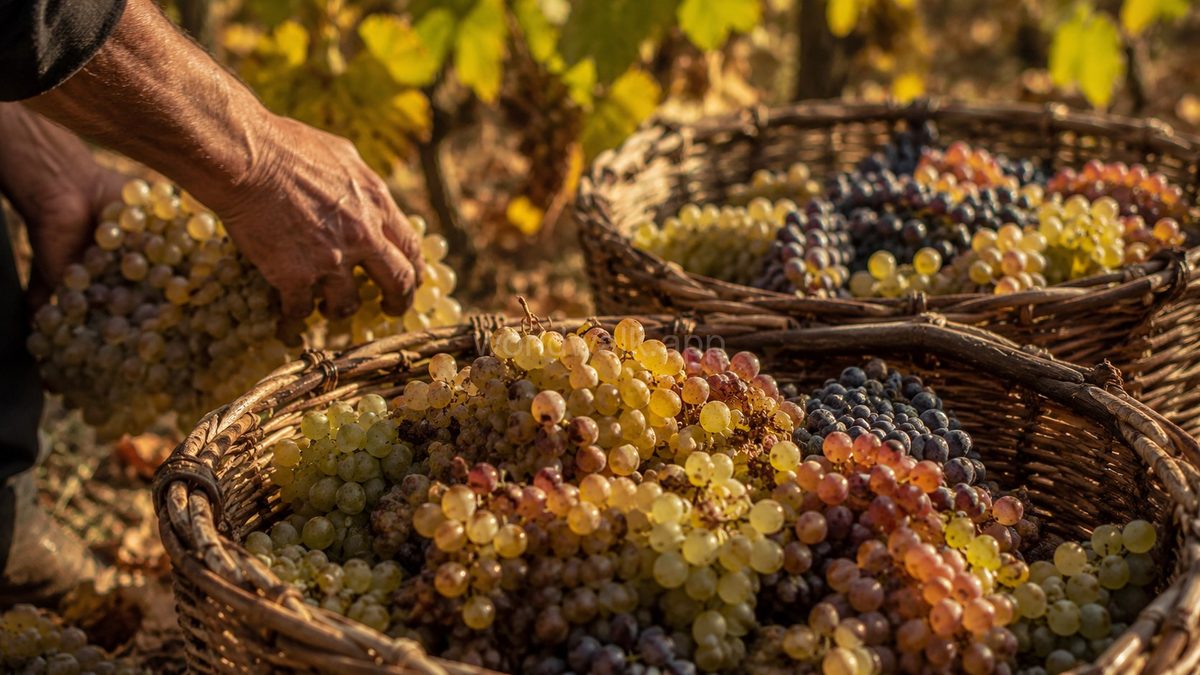
Saperavi — The most widely known Georgian red grape. Saperavi wines are often deep in colour, with structure and body. Depending on the producer and method, they can range from a straightforward dry red to something more complex and age-worthy. A good place to start if you usually drink red wine.
Rkatsiteli — One of the most important Georgian white grapes, widely planted across the country and especially associated with Kakheti. It can be made as a conventional white, or with skin contact as an amber wine. Often the first grape many travellers encounter.
Kisi — A white grape often used for aromatic and amber-style wines, particularly in Kakheti. Can be interesting when made with extended skin contact in qvevri.
Mtsvane — A white grape that can produce fresh or aromatic wines, sometimes seen in blends with Rkatsiteli. The name means "green" in Georgian.
Tsolikouri — A white grape particularly associated with Imereti and western Georgia. If you are travelling west — through Kutaisi or towards Batumi — you are more likely to encounter it.
Krakhuna — Another white grape from western Georgia, associated with the Imereti region. Less commonly seen outside Georgia, but worth trying if you find it.
These varieties are a starting point. Georgian wine lists often include names you may not recognise at all. That is part of the experience.
The Main Wine Regions Travellers Should Know
Kakheti — In eastern Georgia, Kakheti is the country's most prominent wine region, home to many of the large producers and a deep tradition of qvevri winemaking. It is the region most associated with Georgian wine internationally.
Kartli — Central Georgia, with varied terrain and wine styles. Less discussed outside Georgia than Kakheti but worth knowing.
Imereti — In western Georgia, Imereti has its own winemaking traditions, often involving less skin contact than Kakhetian wines. The result can be lighter and more approachable amber styles.
Racha-Lechkhumi — A mountainous region known for some distinctive regional wines. Less commonly visited, but notable among enthusiasts.
Adjara and Batumi — Batumi and the Adjara region are not major wine-producing areas in the same sense as Kakheti. However, travellers based in Batumi can access wines from all of these regions through restaurants, shops and wine bars without needing to travel east.
Where to Try Georgian Wine as a Traveller
The best starting point depends on where you are and how much you already know.
In Tbilisi, dedicated wine bars and wine shops make it straightforward to taste multiple styles in one sitting, often with staff who can explain what you are drinking. In Batumi, restaurants and wine shops carry wines from across Georgia — ask specifically about the region and grape variety, not just the colour.
In Kakheti, if you have time for a day trip or a longer stay, small wineries and family producers sometimes offer tastings in the cellar or courtyard. This is the most direct way to understand how qvevri wine is actually made.
A few practical notes wherever you are tasting:
- Ask whether the wine is dry, semi-dry or semi-sweet — Georgian semi-sweet wines are genuinely sweet, and this can catch people off guard
- Ask whether it is qvevri-made or conventionally produced
- Start with a small glass or a tasting flight before committing to a bottle
- Homemade wine (sold by the litre from plastic bottles or jugs) can be interesting, but quality and storage conditions vary considerably
- If buying from a market stall, ask questions about where it comes from and how it has been stored
Georgian Wine in Batumi
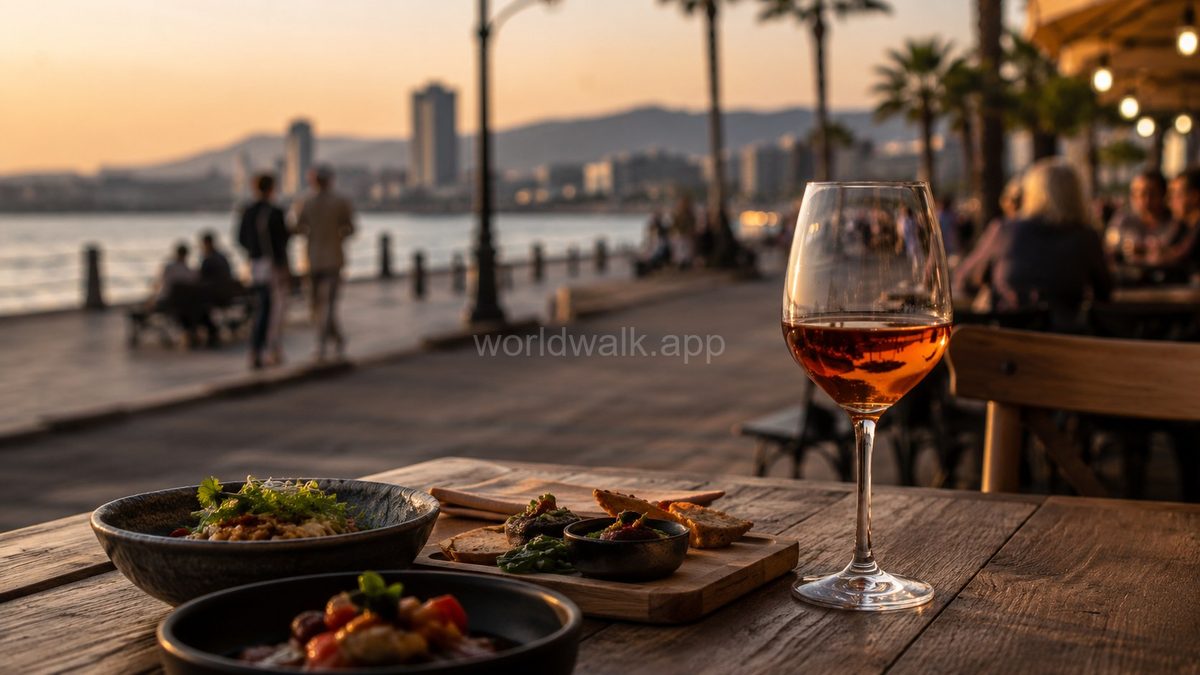
Batumi is not the first place Georgians usually name when talking about wine regions, but for travellers it can be a very practical starting point. In one city, you can try wines from Kakheti, Imereti, Kartli or western Georgia without planning a full wine trip.
Restaurants in Batumi — particularly those serving Georgian food rather than international cuisine — often carry a reasonable wine list that spans several regions and styles. Wine shops near the city centre or in the older parts of town may offer individual bottles from smaller producers alongside more commercial labels.
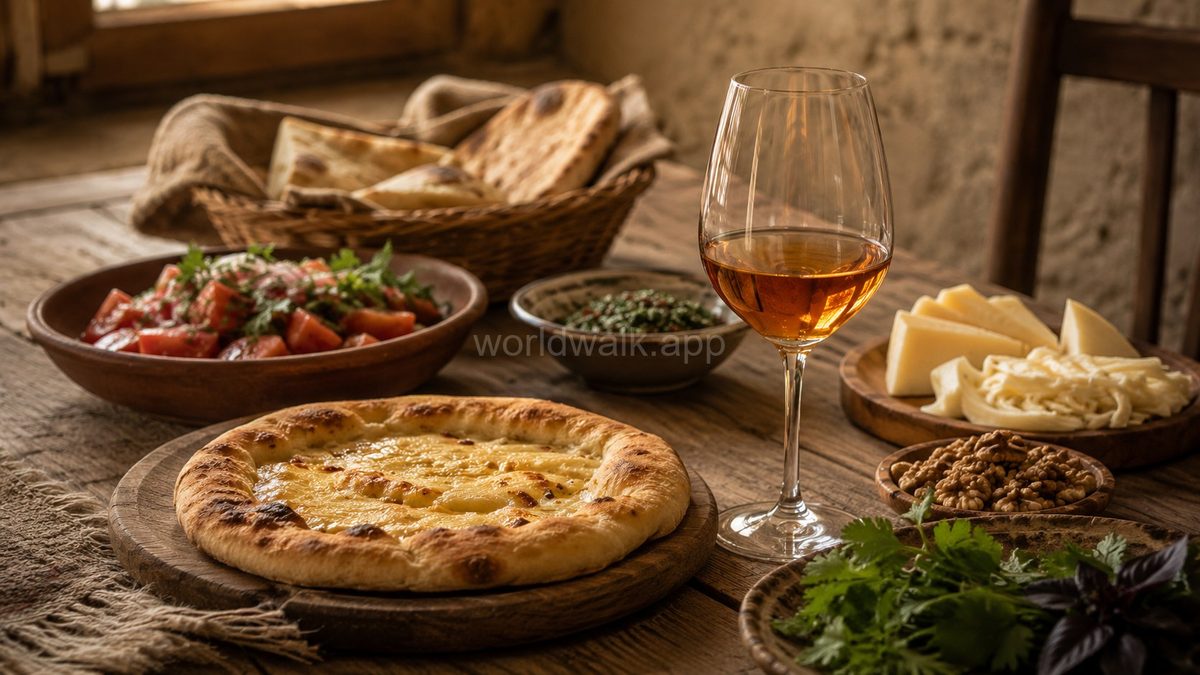
Georgian food in Batumi pairs naturally with Georgian wine. Adjarian khachapuri, with its egg and butter, is rich enough to stand up to an amber wine or a structured Saperavi. Fish dishes from the Black Sea coast can work with a lighter Rkatsiteli or Tsolikouri. If you have been reading about what to eat in Batumi, wine is the natural next chapter.
And if you have eaten churchkhela — that traditional Georgian sweet made from nuts dipped in grape must — you have already tasted grape culture. The connection between what is churchkhela and Georgian wine is direct: the same grapes, the same must, the same long tradition of turning the harvest into something that keeps.
What to Order First If You Are New to Georgian Wine
If you prefer dry wine, say so clearly. Some well-known Georgian red wines — including Kindzmarauli and Khvanchkara — are semi-sweet, and they can surprise travellers who expect every serious red to be dry.
If you usually drink red wine: Start with Saperavi. It is structured and deep, but not difficult to understand if you are used to bold European reds.
If you usually drink white wine: Try Rkatsiteli or Mtsvane made in a conventional style first. Once you are ready, try the amber version of Rkatsiteli to understand what skin contact actually changes.
If you want to understand traditional Georgian winemaking: Ask specifically for a qvevri wine. Tell the server or shop assistant that you want to try something made in the old method.
If you are curious and open to something unusual: Try amber wine. Be prepared for something that does not taste like a conventional white. That is the point.
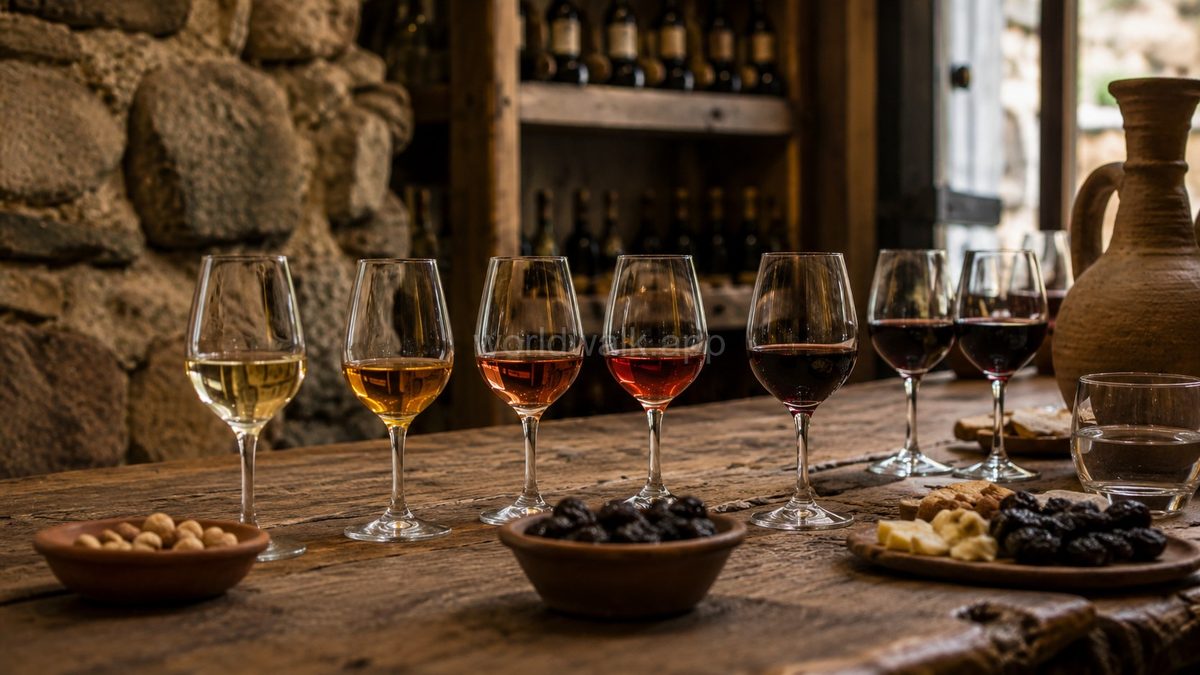
If you are genuinely unsure: Ask for a small tasting flight if the restaurant or bar offers one. This is the most efficient way to understand what Georgian wine is without committing to a full bottle of something you may not enjoy.
How to Read a Georgian Wine Label
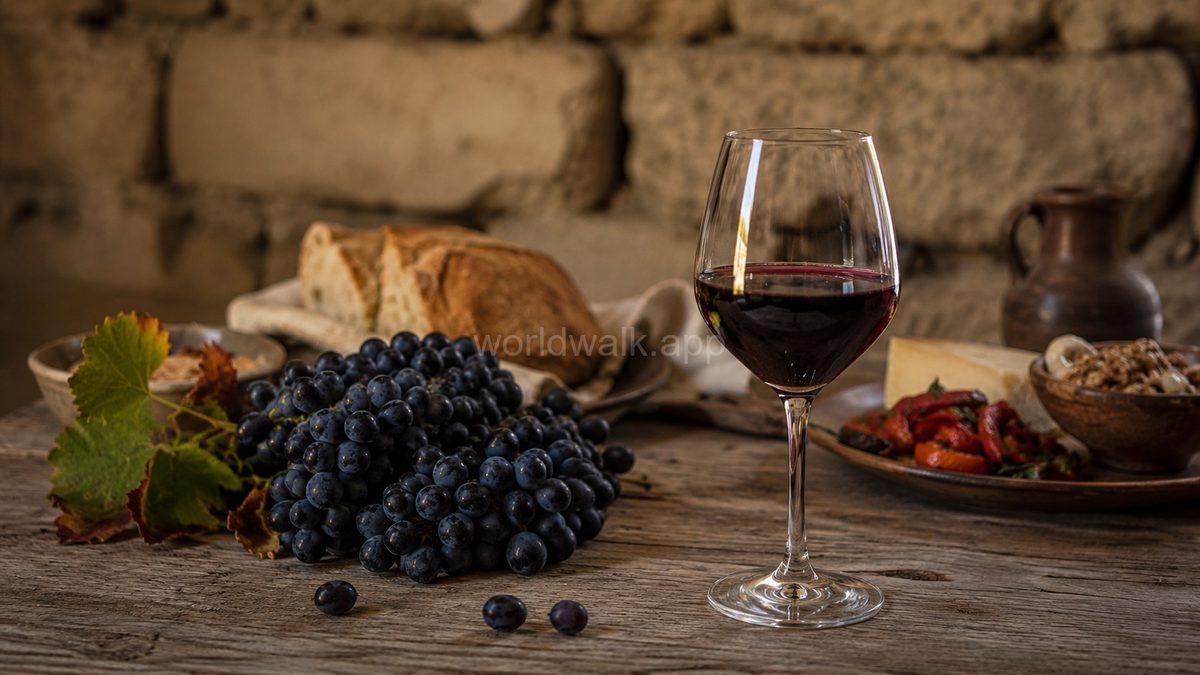
When choosing a bottle, a few things are worth looking for: the grape variety, the region, the producer, whether the wine is dry or semi-sweet, and whether it is qvevri-made.
If the label says Saperavi, you are looking at a red wine. If it says Rkatsiteli, Kisi, Mtsvane, Tsolikouri or Krakhuna, it is usually a white grape variety — though the wine may be made as a conventional white or as an amber wine with skin contact. The label does not always tell you which, so it is worth asking.
"Qvevri" or "kvevri" on the label usually signals a traditionally made wine, but this is not always a regulated term. If it matters to you, ask the shop assistant to confirm the method.
Do not choose by label design alone. Some of Georgia's most interesting wines have modest packaging. If you are unsure, describe what you usually drink and ask for a recommendation.
What to Bring Home
A bottle of Georgian wine — particularly a qvevri wine, an amber wine, or a good Saperavi — can be a more considered souvenir than most things you will find in tourist shops.
A few things to think about before buying:
- Check your airline's rules on carrying alcohol in hold luggage and your destination country's customs limits
- Pack bottles carefully — in the centre of your bag, wrapped in clothing
- Ask staff to describe the wine clearly: region, grape, style, whether it is qvevri-made, whether it is dry or sweet
- Do not choose by label design alone — some of the most interesting Georgian wines have modest packaging
- Ask for a beginner-friendly recommendation if you are not sure
Georgian Wine, Food and Slow Travel
Wine in Georgia makes more sense with food. The two have developed together for a long time, and the flavours of Georgian cuisine — walnuts, herbs, tarragon, fenugreek, pomegranate, tkemali, cheese, grilled meat and slow stews — are part of what Georgian wine was made to accompany.
This is worth saying to travellers who approach Georgian wine as a separate cultural item to be studied. It does not need to be studied. It can simply be ordered with dinner, tasted slowly, and connected to what you are eating and where you are sitting.
The Batumi bucket list and the guide to one day in Batumi both give good context for how to organise time in the city — and a Georgian dinner with wine is a natural part of any of those days.
A Short Note for Travellers Exploring Batumi
Wine is one of the ways to slow down in Georgia. But a city also has to be walked.
If you are spending time in Batumi, the city makes more sense on foot than from a taxi or a café window. The Old Town, the boulevard, the architecture that reflects a complicated and layered history — these are things you understand by moving through them, not by reading about them.
A good way to spend a morning, before a Georgian lunch and a glass of something amber in the afternoon.
FAQ
What is Georgian wine known for?
Georgian wine is known for its great age as a tradition, its local grape varieties — especially Saperavi and Rkatsiteli — and its distinctive winemaking methods, particularly the use of qvevri clay vessels for fermentation and ageing. Amber wine made with extended skin contact is also strongly associated with Georgian winemaking.
What is qvevri wine?
Qvevri are large clay vessels, typically buried underground, used in traditional Georgian winemaking. Grapes ferment inside them along with their skins, seeds and sometimes stems, then the vessel is sealed for ageing. The resulting wine often has more texture, depth and tannin than conventionally produced wine. UNESCO recognised the ancient Georgian traditional qvevri wine-making method as Intangible Cultural Heritage of Humanity in 2013.
What is amber wine in Georgia?
Amber wine is made from white grapes with extended skin contact — longer than in conventional white wine production. The skins give the wine a deep golden or amber colour, more body, and sometimes tannins. It is not rosé, not faulty, and not orange juice. It may taste quite different from the white wines most travellers are used to, but this is intentional. Georgia has a long tradition of making wine this way, particularly in Kakheti.
Is Georgian wine really 8,000 years old?
The 8,000-year figure refers to archaeological evidence of winemaking in the South Caucasus, including Georgia, found in ancient pottery. This is widely cited by Georgian wine institutions and acknowledged by researchers working in wine history. What it means in practice: Georgia has one of the oldest documented wine traditions in the world.
Which Georgian wine should I try first?
If you drink red wine, start with Saperavi. If you drink white wine, try Rkatsiteli in a conventional white style first, then the amber version when you are ready. If you want to understand traditional Georgian winemaking, ask specifically for a qvevri wine. If you are genuinely unsure, ask for a small tasting flight — most wine bars and some restaurants in Georgia can offer this.