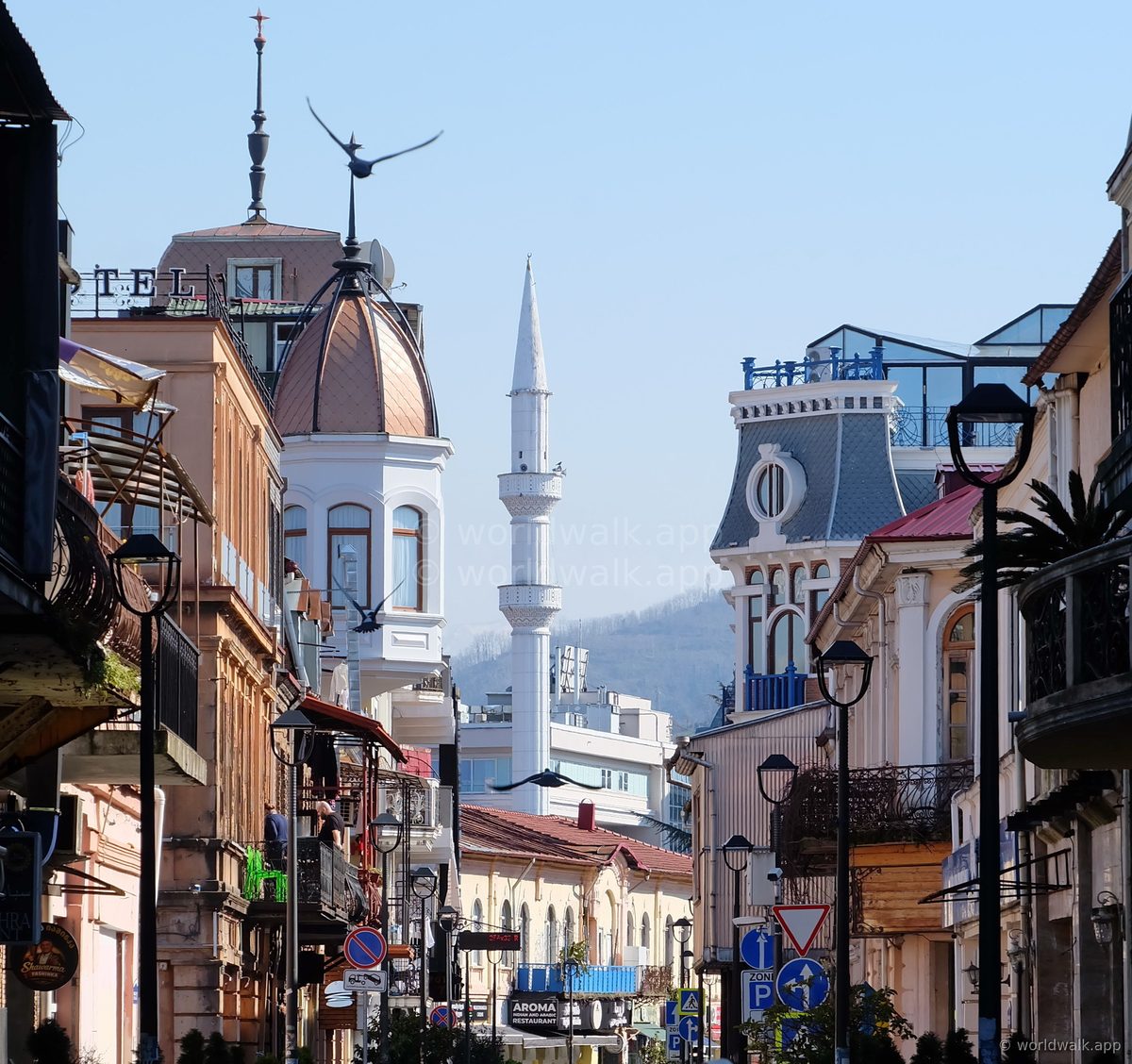
This Batumi 3-day itinerary is designed for independent travellers, including visitors without a car. It prioritises geographically sensible routes, realistic travel times and places that help explain Batumi as more than a beach-and-casino resort.
For a broader introduction before you arrive, see the complete Batumi travel guide.
Also from WorldWalk
The Port Where Empires Met and Mixed — a separate 46-stop Batumi walking tour, about 2.5 hours. Available on VoiceMap.
Explore the tour on VoiceMap → Start our tour in Telegram →Batumi 3-Day Itinerary at a Glance
| Day | Main area | Main experience | Time | Transport |
|---|---|---|---|---|
| Day 1 | Old Batumi, port and central Boulevard | Historic streets, architecture, food and the waterfront | 6–8 h | Walking |
| Day 2 | Botanical Garden, Green Cape and modern waterfront | Subtropical nature, coast and contemporary Batumi | 6–8 h | Bus or taxi |
| Day 3 | Mountain Adjara, Gonio–Kvariati, or Batumi museums | Nature, history and swimming, or a slower city day | 5–9 h | Varies |
Before You Start: Where to Stay and How to Get Around
For a first visit, stay in Old Batumi, near Europe Square, or close to the central section of Batumi Boulevard. These areas let you begin Day 1 on foot and make restaurants, cafés and evening walks easy.
The WorldWalk guide to where to stay in Batumi compares the main areas in more detail.
You do not need a rental car for this itinerary. Central Batumi is flat and compact, although pavements can be uneven or slippery in rain. Public transport or a taxi is useful for the Botanical Garden, Gonio and the southern beaches. A hired driver is the easiest option for a multi-stop mountain day.
Batumi has a humid subtropical climate, and heavy rain is possible in every season. Put the Botanical Garden or mountain trip on the clearest day and keep the Old Town or museum option for unsettled weather.
Day 1: Old Batumi, the Port and Batumi Boulevard
Walking distance: approximately 4–6 km | Time: 6–8 hours | Best start: 9:00–10:00
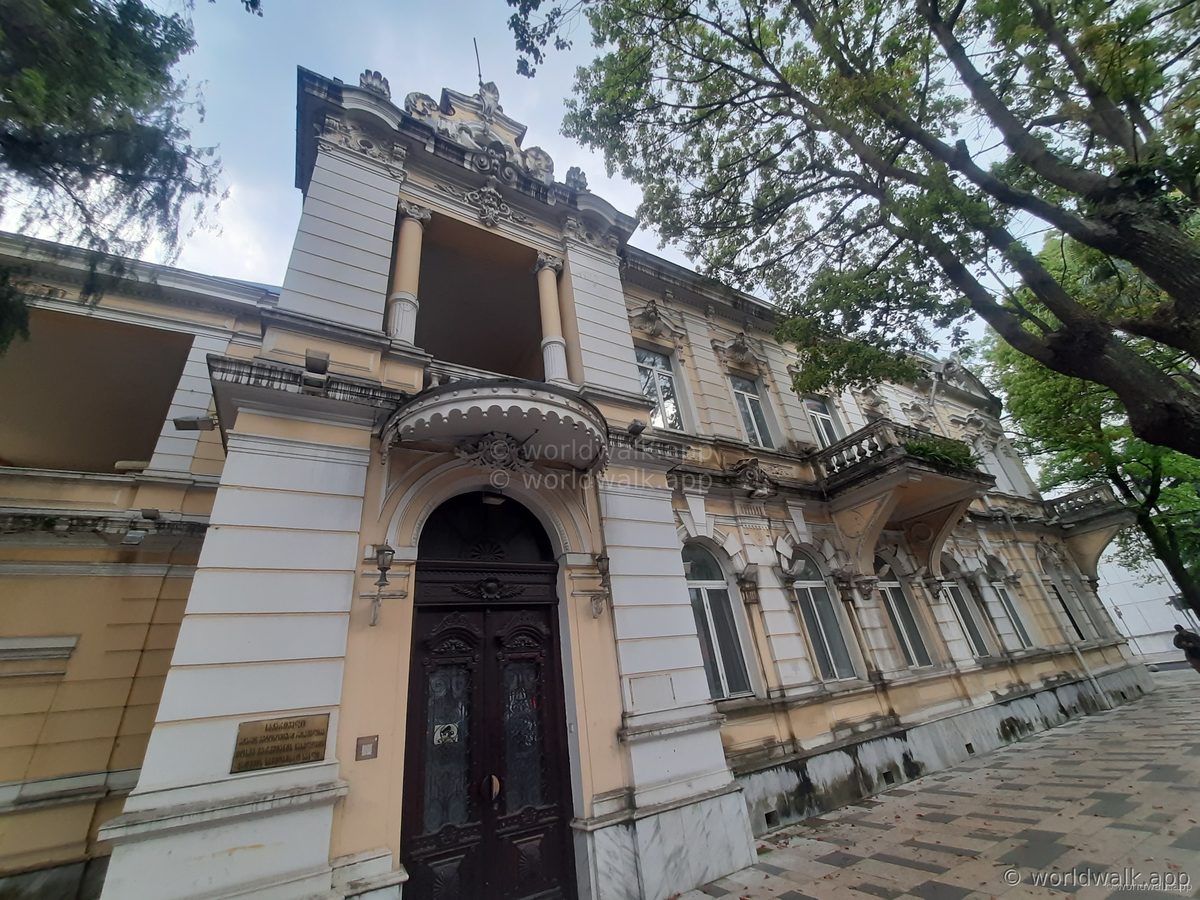
Day 1 is the most important part of a first-time Batumi itinerary. Ottoman-era religious life, late-imperial trade, the growth of the oil port, Soviet rebuilding and modern resort architecture all overlap within a few streets.
Morning: Europe Square and Memed Abashidze Avenue
Start near Europe Square. The square is surrounded by restored historic façades and later buildings designed to look older than they are — a useful introduction to Batumi’s habit of mixing genuine history with deliberate theatricality.
Continue along Memed Abashidze Avenue. Batumi expanded rapidly after 1878. The porto franco period, the railway arriving in 1883 and the growth of the oil-export trade transformed the town into an internationally connected Black Sea port. The Baku–Batumi oil pipeline came in the early twentieth century.
The easiest way to connect these details into a coherent route is the Batumium: Discover the Essence of Batumi self-guided audio tour. It is designed for independent walking, can be started at a convenient time and adds context about Batumi’s architecture, trading history and changing urban life.
Late Morning: Piazza, St Nicholas Church and the Orta Jame Area
Walk from Europe Square toward Piazza Square — a good coffee stop and a transition between the polished tourist centre and older commercial streets. Continue toward Orta Jame Mosque, where Turkish restaurants, tea houses and a working mosque reflect Adjara’s long relationship with the Ottoman world and modern Türkiye.
Do not rush from landmark to landmark. The most interesting details are on the upper floors: wooden balconies, old masonry, altered windows, fading signs and courtyards behind ordinary gates.
For a shorter, landmark-focused route, compare this day with the one-day Batumi walking itinerary and the Old Batumi walking guide.
Lunch: Try Adjarian Food Without Overordering
Stay in Old Batumi. The obvious first dish is Adjarian khachapuri — the boat-shaped bread filled with cheese and finished with butter and egg. One portion can be enough for two people with a salad. Other regional dishes include sinori, borano, achma and seasonal Black Sea fish.
The WorldWalk guide to what to eat in Batumi explains the main local dishes and what is specifically Adjarian.
Afternoon: Port Streets, Miracle Park and Ali & Nino
After lunch, walk toward the port. Near the northern waterfront, Miracle Park brings together several of Batumi’s best-known modern landmarks. The Alphabetic Tower uses the Georgian script as its architectural theme. Nearby, the kinetic sculpture Ali and Nino by Tamara Kvesitadze brings two metal figures together before they pass through each other and separate again — watch through a full movement cycle.
Sunset and Evening: Walk Only the Best Part of the Boulevard
For a first day, stay around the historic northern and central sections of the Boulevard. The older park landscaping, sea views and local evening promenade are more rewarding than turning the walk into an endurance exercise. Afterward, return to Old Batumi for dinner or wine. For a structured evening plan with stops and food tips, see the guide to what to do in Batumi at night.
Starting late? Skip extended detours and keep the route to Europe Square, Piazza, Orta Jame, the port, Ali & Nino and one section of the Boulevard.
Day 2: Batumi Botanical Garden, Green Cape and Modern Batumi
Time: 6–8 hours | Walking: hilly terrain | Transport: public transport or taxi
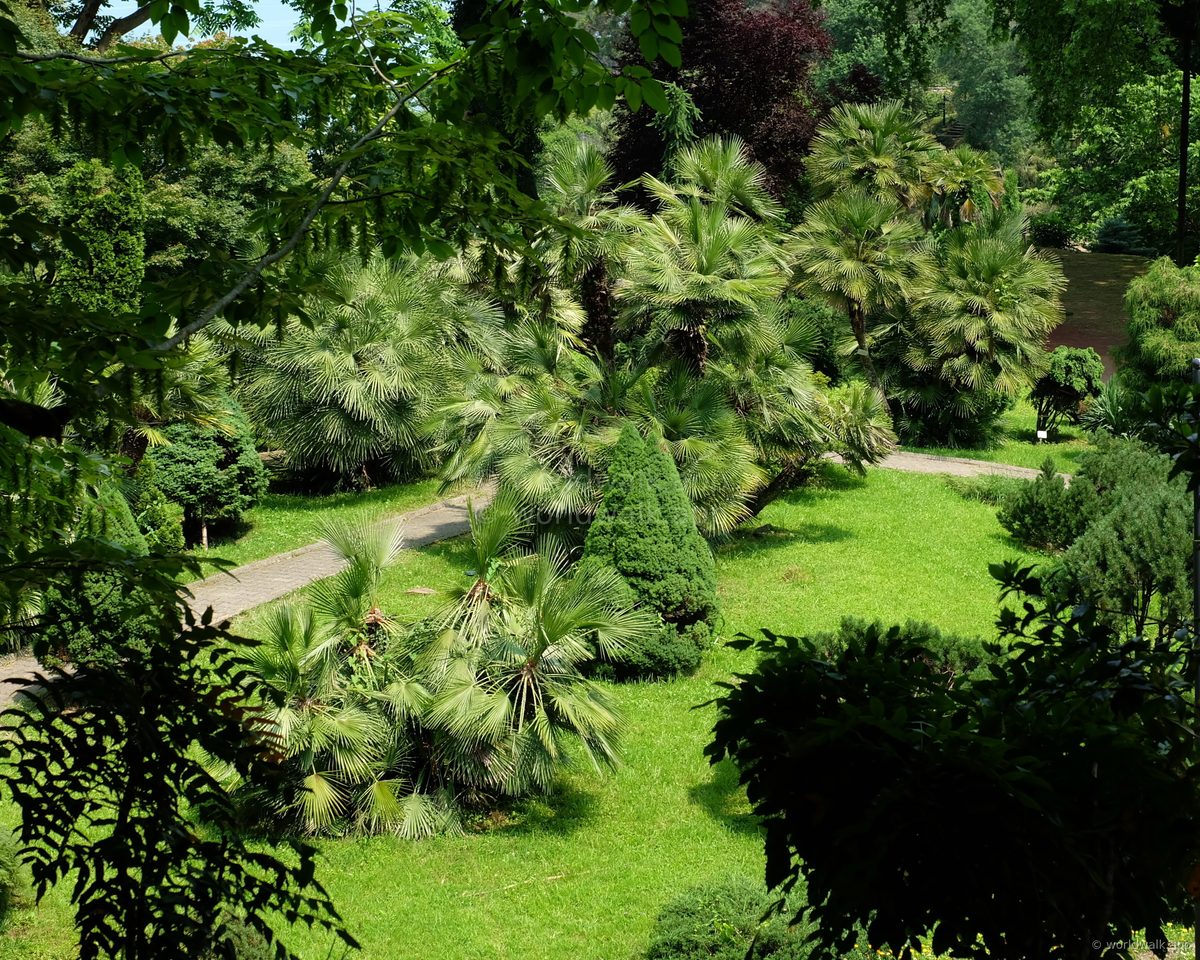
The second day shifts from urban history to Batumi’s subtropical landscape. The Botanical Garden is about 9 km north of central Batumi and deserves at least half a day.
Morning: Batumi Botanical Garden
Leave early, especially in summer. The Batumi Botanical Garden covers more than 100 hectares on the slopes above the Black Sea. The garden’s official website currently lists municipal bus No. 10 and minibus No. 40 among the public transport options — verify routes and payment on the day of travel. A taxi is simpler if you are travelling as a couple or starting early.
Allow around three hours for the main route. Before attempting a one-way walk between entrances, confirm at the ticket office which gates are open. Check current opening hours and prices on the official Batumi Botanical Garden website.
Midday: Green Cape and the Beach
If the weather is warm and the sea is calm, add Mtsvane Kontskhi (Green Cape) after the garden. The beach is pebbled. Water shoes are useful. Have a simple lunch nearby or return to the city.
Late Afternoon: Rest, Then the Modern Waterfront
Returning from the garden to New Boulevard means travelling from the north side of Batumi to the southern waterfront — take a break first and use a taxi or bus. Around Ardagani Lake and New Boulevard, Batumi becomes taller, newer and more resort-oriented. This is a good area for an evening walk, not a compulsory checklist.
Honest note about Batumi Beach: Batumi’s city beach is pebbled, not sandy. Conditions vary after storms and heavy rain. For a broader seasonal overview, read things to do in Batumi in summer.
Day 2 Alternatives
- Heavy rain: Replace the garden with the rainy-day route below.
- Extreme heat: Enter the garden early; move the modern waterfront segment to after sunset.
- Not interested in gardens: Use the morning for 6 May Park, the central market and museums.
Day 3: Choose the Best Day Trip for You
Do not try to combine mountain waterfalls, Gonio Fortress, Kvariati and Sarpi into one rushed day. Choose one coherent route.
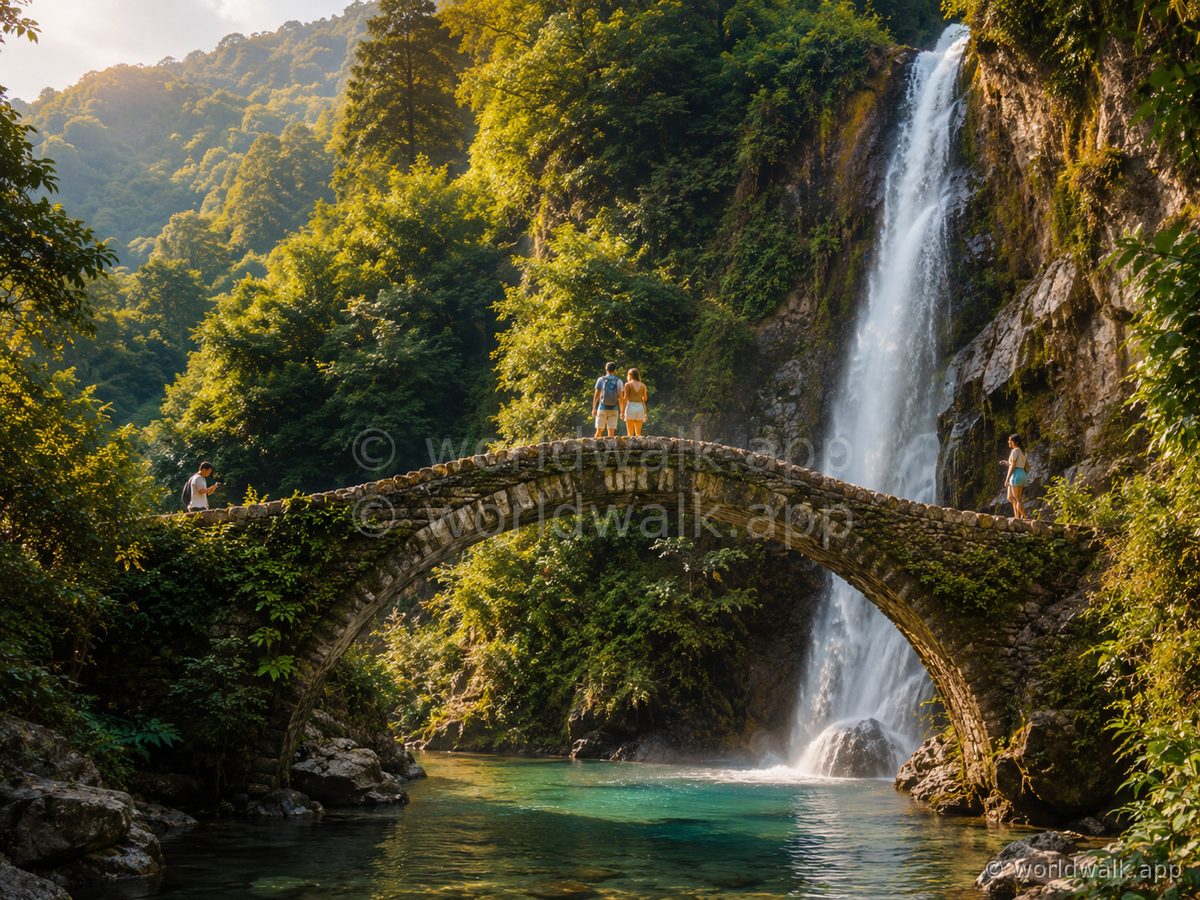
Option A: Mountain Adjara and Waterfalls
Best for: nature and a contrast with coastal Batumi | Transport: hired driver | Time: 6–9 hours
Route A1: Makhuntseti Waterfall and the Historic Stone Bridge
The most straightforward first-time mountain excursion. The waterfall and the arched stone bridge commonly called the Queen Tamar Bridge are close enough to combine. A driver makes it easier to add a local lunch or viewpoint stop.
Route A2: Mirveti and the Machakhela Valley
Choose this for a quieter, greener day. Mirveti offers a forested approach and waterfall; the Machakhela area has mountain scenery and villages closer to the Turkish border. Do not combine both clusters — pick the one that better matches your interests. Wear shoes with grip.
Option B: Gonio Fortress and Kvariati Beach
Best for: archaeology and swimming | Transport: bus or taxi | Time: 5–7 hours
Travel south to Gonio-Apsaros Fortress, a Roman-period fortification later used by Byzantine and Ottoman powers. The official Adjara tourism portal currently lists municipal bus No. 16 and minibuses serving the Gonio–Sarpi direction — verify the route before departure.
After the fortress, continue to Kvariati Beach. Kvariati is usually a better choice than central Batumi for a relaxed swimming afternoon.
Sarpi is optional. The village sits directly beside a busy international border crossing. Go only if the border setting itself interests you; otherwise, stay in Kvariati longer.
Option C: A Slow Cultural Day in Batumi
Best for: rain, solo travellers or museum visitors | Transport: walking | Time: flexible
Start at Boni Market, then continue with one or two museums: the Batumi Archaeological Museum, Adjara Museum of Art, Khariton Akhvlediani Adjara State Museum, or the Nobel Brothers Batumi Technological Museum for Batumi’s oil and industrial history. Check opening hours before going.
What to Do in Batumi if It Rains
Light rain does not require abandoning the itinerary. Heavy wind and sustained downpours do.
| Time | Rainy-day plan |
|---|---|
| Morning | Walk short sections of Old Batumi — Europe Square, Piazza, Orta Jame; stop in cafés when rain intensifies |
| Lunch | A slow Adjarian meal rather than trying to cover outdoor sights |
| Afternoon | Archaeological Museum, Adjara Museum of Art or Adjara State Museum |
| Evening | Theatre, wine bar, long dinner or a short walk after the rain eases |
See the full Batumi rainy-day guide for more options.
How Much Does a 3-Day Batumi Trip Cost?
Batumi prices vary sharply by season, especially for accommodation. July and August are usually the most expensive months. Plan by category:
- Accommodation: the largest variable; central rooms can rise substantially in peak summer.
- Food: bakeries and simple local restaurants keep costs moderate; seafront dining costs more.
- Local transport: central sightseeing is mostly free on foot; taxis and day trips add most.
- Attractions: museum tickets are modest; organised excursions and private drivers add more.
- Beach: access is usually free, but loungers, umbrellas and water activities are extra.
Is 3 Days in Batumi Enough?
Yes. Three full days gives you one strong city day, one nature-and-coast day and one choice beyond the central tourist area. For three genuinely full sightseeing days, four nights is the safest booking. Three nights works only with an early arrival and late departure.
If you have less time, use the one-day itinerary. If you have the full three days, begin by understanding the historic centre: start the self-guided Batumium walking tour on Day 1 and build the rest of the trip around the coast and Adjara.
The WorldWalk Batumi audio tour covers 29 stops through the Old Town, port, Turkish Quarter and surrounding streets — audio stories, photos and Google Maps links at every stop. Self-guided, at your own pace.
Start the Batumi audio tour →Frequently Asked Questions
Is three days enough in Batumi?
Yes. Three full days is enough to explore Old Batumi, visit the Botanical Garden and take one regional day trip without rushing every hour.
Is Batumi walkable?
Central Batumi is very walkable. Old Batumi, Europe Square, Piazza, the port and the central Boulevard connect naturally on foot. The Botanical Garden, Gonio and the southern beaches require transport.
Do you need a car in Batumi?
No. A car is unnecessary for the city centre. Use public transport or taxis for outlying sights and consider a driver for mountain routes.
What is the best time to visit Batumi?
Late spring, early summer and September offer a balance of warm weather and fewer crowds. Rain is possible at any time. July and August are hotter, more humid and busier.
Is Batumi worth visiting if you do not like casinos?
Yes. The city’s strongest reasons to visit are its historic port streets, Adjarian food, long seafront park, Botanical Garden and access to the mountains and coast.
Can you visit the Botanical Garden and central Batumi on the same day?
You can, but the garden deserves at least half a day. For a three-day trip, keep the historic centre on Day 1 and use Day 2 for the garden and coast.
Which beach is better: Batumi, Gonio or Kvariati?
Batumi Beach is the most convenient. Gonio and Kvariati are usually preferred for a more beach-focused afternoon, but all are pebbled and sea conditions vary.
How many nights should you book in Batumi?
Book four nights for three full sightseeing days. Three nights works only when your arrival and departure times leave most of both travel days available.