Quick Answer: Is Batumi Safe?
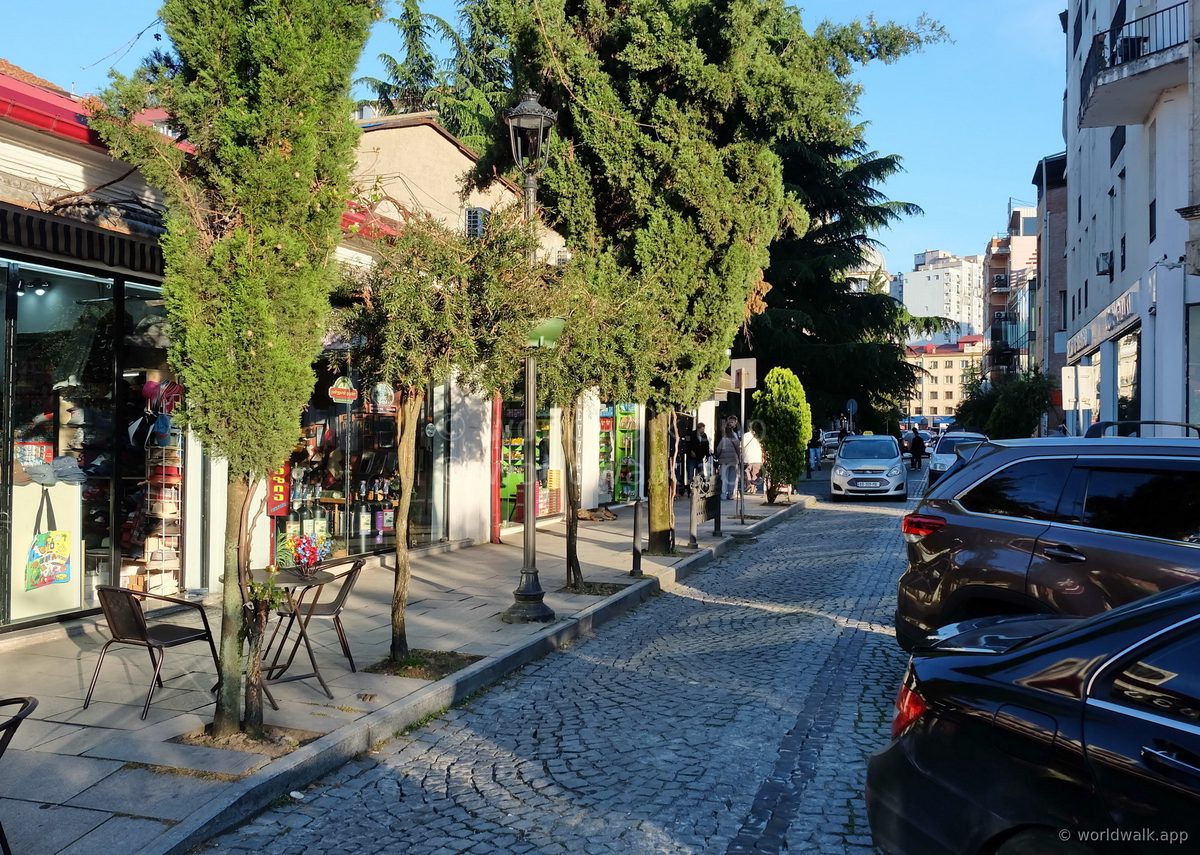
Batumi is generally safe for tourists. Central areas — the boulevard, Old Town, Europe Square and the main streets — are active, well-lit and comfortable to walk at night. For a practical Batumi night walking route with stops, food and safety notes, see the evening guide. Police patrols are visible in tourist areas. Violent crime affecting visitors appears uncommon. Petty theft, taxi overcharging and ordinary urban carelessness do happen. Normal common-sense precautions are enough for most travellers.
Is Batumi Safe Overall?
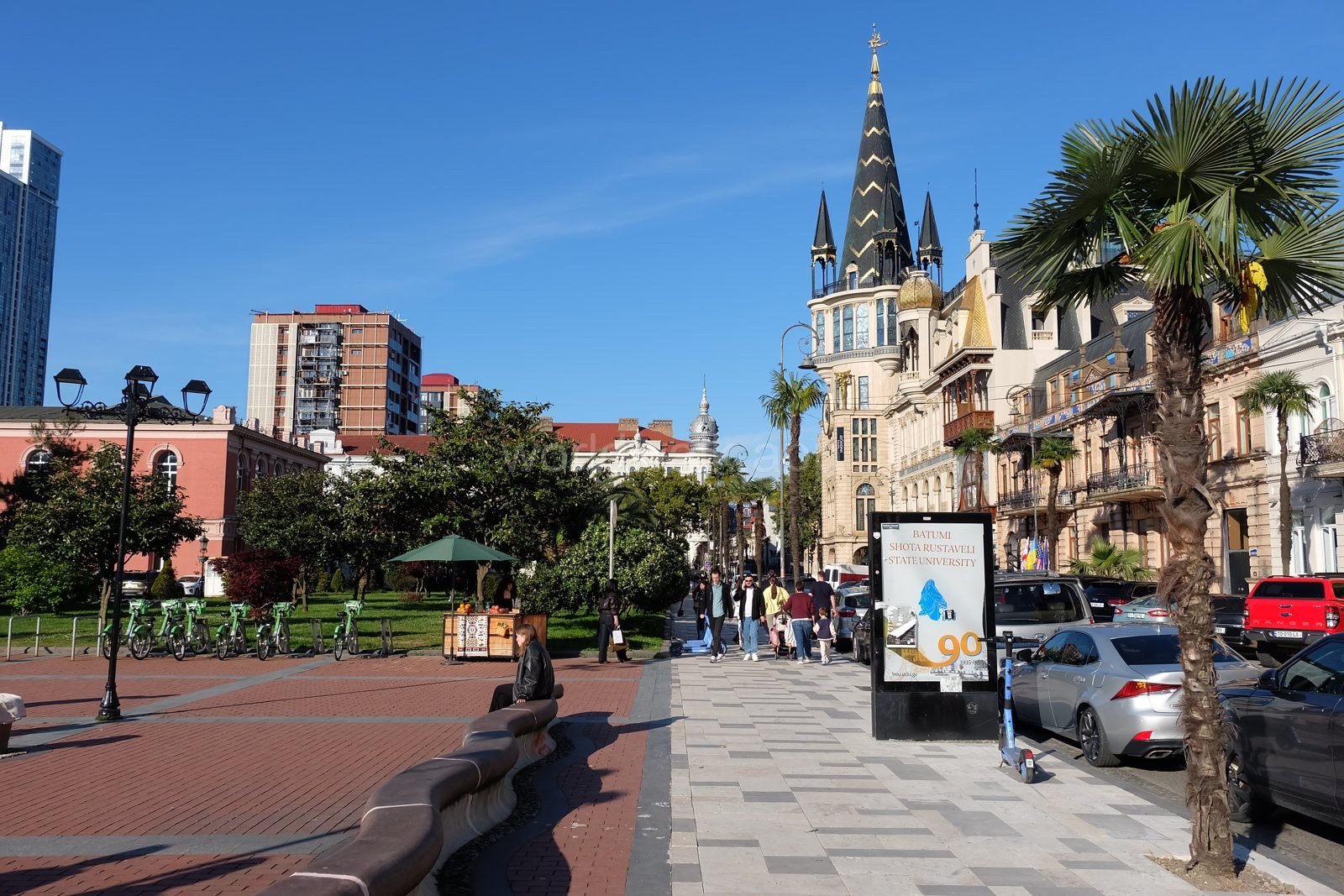
Batumi is a city that many visitors describe as noticeably relaxed by tourist-destination standards. Families walk the boulevard in the evening. Older residents sit in squares. Restaurants stay open late and fill up without tension. The atmosphere in central Batumi is not that of a city where travellers feel they need to guard themselves constantly.
Also from WorldWalk
The Port Where Empires Met and Mixed — a separate 46-stop Batumi walking tour, about 2.5 hours. Available on VoiceMap.
Explore the tour on VoiceMap → Start our tour in Telegram →It is popular with digital nomads, regional tourists from across Georgia and neighbouring countries, visiting families and an increasing number of Western European and North American visitors. The mix creates a fairly diverse, open-feeling city centre.
Local residents are generally helpful if you are lost or confused. English is not universally spoken, but in tourist areas you can usually find someone who can help or who will make the effort to try.
The city does not feel like a large, overwhelming metropolis. That, for many travellers, is part of the appeal — and part of why the safety question resolves so easily for most people who visit.
Read also: Batumi Travel Guide 2026
Crime in Batumi: What Tourists Should Know
Violent crime affecting tourists appears to be uncommon. This is consistent with what many travellers and local residents report. It does not mean that Batumi has no crime — it does — but for most visitors, the realistic risks are ordinary urban ones rather than serious threats.
Petty theft is the most likely issue. Unattended bags on beaches, open pockets in crowded market areas and bicycles left unlocked are the kinds of situations where things can go missing. This is true of almost every tourist city in the world.
Bicycle theft is worth particular mention. One widely discussed example from Adjara involved Japanese traveller Naoya Tabibito, whose handmade bicycle was stolen in Kobuleti in May 2026. Local media later reported that police recovered the bicycle about 120 km away and returned it to its owner. The case is a useful reminder of both sides of travel safety here: petty theft can happen, but the police response can also be surprisingly active. If you are cycling in the Adjara region, lock your bicycle properly every time.
Taxi misunderstandings are a more common annoyance than crime. Agreeing on a fare before getting in, or using a ride-hailing app, avoids most problems.
Tourist area markups are real and worth knowing about. Restaurants and stalls in the most visible tourist spots can charge significantly more than places a street or two away. This is not criminal but it is worth knowing.
Overcharging at currency exchange can also happen. Read the section on money and exchanges below.
Overall: the realistic crime picture for most tourists in Batumi is a normal urban risk profile, skewed toward petty and opportunistic situations rather than anything more serious.
Police Presence in Batumi
Police patrols are visible in central Batumi, particularly around tourist-heavy areas: the boulevard, Europe Square, the Old Town streets and the main central squares. Police cars are regularly seen in these zones. Officers on foot are also present in busy areas, especially during summer.
The visible presence contributes to the feeling of security that many visitors describe. It does not mean that police are everywhere or that every incident gets resolved quickly, but the general impression is of a city where public order is taken seriously.
If you need to contact emergency services in Georgia, the number is 112. This covers police, ambulance and fire. It works from any phone, including without a local SIM card in some circumstances.
The WorldWalk Batumi audio tour covers 29 stops through the Old Town, port, Turkish Quarter and surrounding streets — audio stories, photos and Google Maps links at every stop. Self-guided, at your own pace.
Start the audio tour →Read also: Where to Stay in Batumi
Is Batumi Safe at Night?
For most visitors, yes. Central Batumi at night is active rather than deserted. The boulevard, Europe Square, Piazza and the main streets around the Old Town stay lively into the late evening, particularly in summer. Restaurants, cafés and bars are open. There are people around. The atmosphere is not tense.
Walking along the seafront at night is something many visitors do and describe as one of Batumi's more enjoyable experiences.
Practical notes for night-time:
- Stay in well-lit, central areas.
- Avoid isolated dark side streets that you do not know, late at night.
- Do not leave bags, phones or valuables unattended at outdoor restaurants.
- If you have been drinking, use a taxi app or agree a fare with a driver rather than walking long distances.
- Keep your phone in a pocket rather than in your hand in quiet areas.
The conclusion is simple: central Batumi at night is generally comfortable. Common sense applies more as you move away from the active central areas.

Is Batumi Safe for Solo Female Travellers?
Many solo female travellers visit Batumi and report feeling comfortable and at ease in the central areas. The boulevard and main tourist zones are busy enough in the evening that walking alone does not feel unusual or uncomfortable for most visitors.
That said, honest advice:
- Central and well-connected accommodation makes a real difference. The best areas to stay in Batumi for first-time visitors covers this in detail — staying near the Old Town or boulevard area is the practical choice for solo travellers who want to move around easily.
- Use a taxi app late at night rather than walking long distances or negotiating with street taxis.
- Avoid isolated areas and poorly lit streets after midnight.
- Trust your instincts. If a situation feels wrong, leave it.
- Some unwanted attention is possible, as in many tourist destinations. It is generally low-level and manageable.
The overall picture is positive. Batumi is not a city where solo female travellers typically report feeling unsafe in the central areas. Normal vigilance is enough.
Is Batumi Safe for LGBTQ+ Travellers?
Many LGBTQ+ travellers visit Georgia, but public attitudes can be more conservative than in much of Western Europe. For practical day-to-day activities — walking, eating, sightseeing, using the boulevard — the experience is similar to other travellers.
Georgia, however, remains socially conservative in many respects. Public displays of affection that might be unremarkable in Western European cities may attract attention or discomfort in Georgia, including in Batumi. This is a practical reality rather than a safety crisis, but it is worth being aware of.
Practical advice: choose friendly, central accommodation; be guided by the atmosphere around you; avoid confrontations; and focus on the practical rather than the political. Many LGBTQ+ visitors visit Georgia regularly and travel without difficulty.
Is Georgia Safe for Tourists?
Georgia as a whole is generally considered a safe and welcoming destination for visitors. Hospitality is culturally important — the concept of the guest as someone to be protected and treated well runs deep in Georgian culture — and travellers frequently note how helpful local people tend to be.
For most visitors, the practical concerns in Georgia are less about street crime and more about things like road safety (driving standards can be unpredictable), mountain travel (weather and terrain require proper preparation) and checking current official travel advice before visiting border areas or remote regions.
Batumi sits comfortably within this picture. It is one of Georgia's more visitor-ready cities, with a well-developed tourism infrastructure, visible policing and a central area designed for walking and public life.
Before travelling anywhere in Georgia, it is worth checking your government's current travel advice for up-to-date information on any regional concerns.
Safety Around the Sea and Beaches
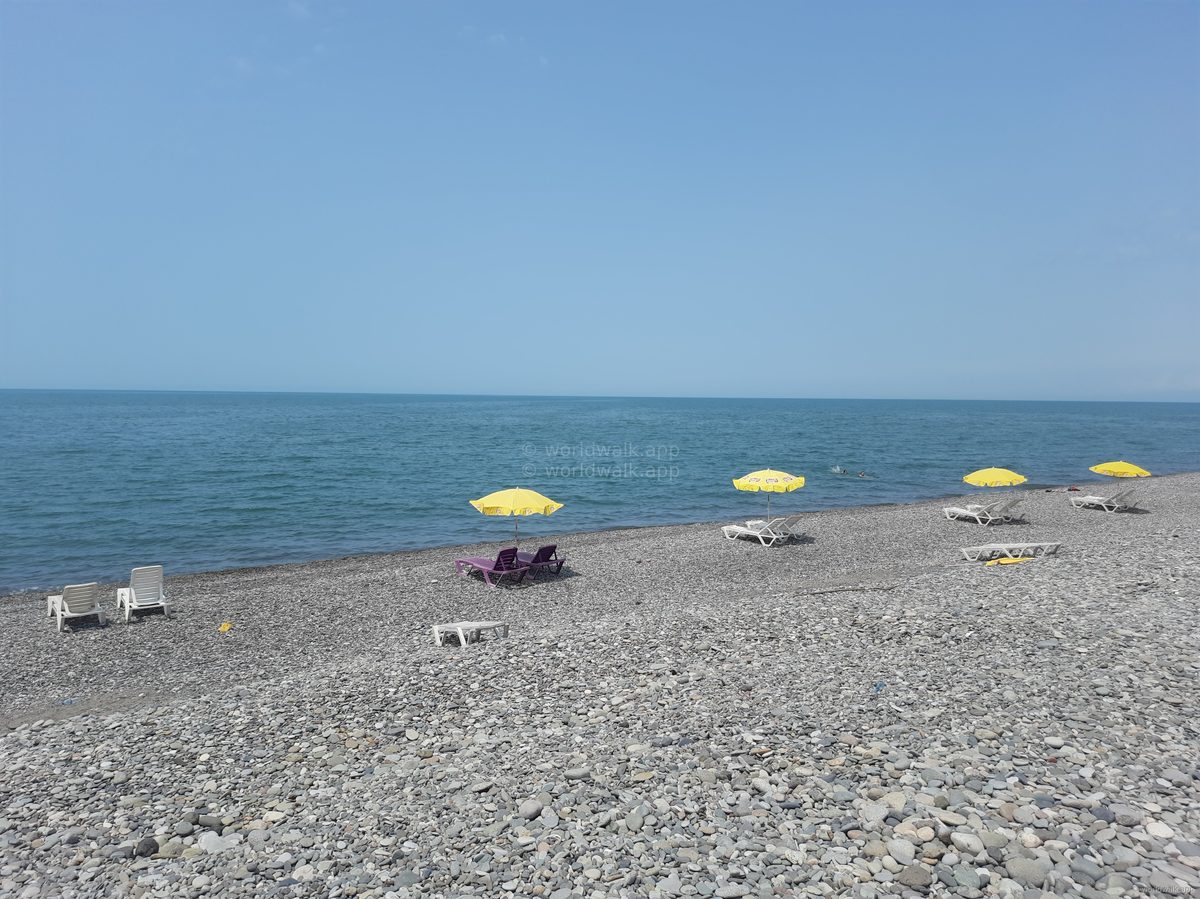
Batumi's beaches are mostly pebble and stone rather than soft sand. Water shoes are worth wearing, both for comfort and to avoid slipping on wet rocks at the water's edge.
Sea conditions in the Black Sea can change. The water can be calm and pleasant one morning and noticeably rougher by afternoon. Pay attention to lifeguard flags and local warnings. If flags indicate the sea is not suitable for swimming, take that seriously.
Avoid swimming alone in areas with no lifeguard cover. Be careful with children near the water — the pebble edge can be uneven and the drop-off in some areas steeper than it looks.
General open-water caution applies: do not overestimate your ability in conditions you are unfamiliar with.
Street Dogs in Batumi
Street dogs are common across Georgia, including in Batumi. Many of them are tagged — part of a municipal catch-neuter-vaccinate programme — and are used to people. Most are calm and ignore tourists entirely.
That said:
- Do not feed or touch unfamiliar dogs unless you are confident about their behaviour.
- Groups of dogs late at night can behave differently from solitary dogs during the day. Give them space.
- If a dog acts aggressively, do not run. Back away slowly and calmly.
- If you are bitten or scratched by any animal, seek medical advice promptly. Rabies vaccination protocols should be followed even if the risk seems low.
For most visitors, street dogs are background scenery rather than a problem. Being aware of them is enough.
Road Safety and Crossing Streets
Traffic in Batumi can feel disorganised to visitors from countries with stricter driving cultures. Pedestrian crossings exist but drivers do not always stop reliably. Scooters can come from unexpected directions. Minibuses pull in and out of traffic quickly.
Practical advice:
- Look both ways carefully before crossing, even at marked crossings.
- Make eye contact with drivers before stepping out.
- Be especially careful when walking while looking at your phone — this is when most accidents involving pedestrians happen.
- In busier streets, wait until there is a clear gap rather than assuming traffic will yield.
Walking in Batumi is enjoyable. The attention required is not intense, but it is real. The how to get around Batumi guide covers transport options in detail, including when walking is the right choice and when a taxi makes more sense.
Common Scams and Annoyances
Nothing in this category is unusual for a tourist city. Knowing about them in advance means they are easily handled.
Taxi overcharging — the most common. Street taxis, especially around the port, boulevard and central squares, may quote inflated prices to tourists. Use Bolt or agree the fare before getting in. The Batumi transport guide explains this clearly.
Currency exchange traps — poor rates at hotel desks, airport counters and some central kiosks. The where to exchange money in Batumi guide explains where to get a fair rate. As a rule: compare rates before exchanging and do not accept the first offer.
Tourist-area pricing — cafés and restaurants in the most visible spots on the boulevard and around Europe Square may charge significantly more than places a block or two away. This is not a scam exactly, but it is worth knowing.
Aggressive touts — rare in Batumi compared with some other tourist cities, but occasional pressure to enter a restaurant or use a service can happen. A polite but firm "no thank you" is enough.
Where to Stay in Batumi for a Safer, Easier Trip
First-time visitors typically find the trip easier and more comfortable when they stay close to the central areas: the Old Town, Europe Square, the boulevard or the streets immediately around them. These are the areas with the most activity, the most visible safety presence and the easiest access to restaurants, transport and practical help.
Staying further out — in quieter residential areas, or in Kobuleti or Gonio rather than central Batumi — is fine for travellers who know what they want, but for a first visit it means more reliance on taxis and less ability to walk back easily.
Practical Batumi Safety Tips
A working checklist for first-time visitors:
- Emergency services: 112. Save this number before you arrive.
- Carry a copy of your passport separately from the original. A photo on your phone is a useful backup.
- Use a taxi app (Bolt works in Batumi) or agree the fare before getting in a street taxi.
- Lock bicycles properly every time, even for short stops.
- Do not leave bags unattended on the beach. Take turns watching belongings with travel companions, or keep them with you.
- Use official exchange offices rather than hotel desks, airport counters or unofficial kiosks.
- Keep some cash in GEL. Cards are widely accepted in central Batumi, but markets, marshrutkas and smaller places still prefer cash.
- Watch sea conditions. Follow lifeguard flags and avoid swimming in rough water.
- Wear water shoes on Batumi's pebble beaches. They also help at the water's edge.
- Save offline maps before you go. Google Maps and Maps.me both work offline.
- Stay in a central area for your first visit. It makes everything easier.
- Do not walk and use your phone at the same time near traffic.
- Give street dogs space at night and do not provoke unfamiliar animals.
- Stay in lit areas if walking late.
- Check your government's travel advice before arriving.
- Know how you will get from the airport. Getting from Batumi Airport to the city centre covers your options clearly.
Is Batumi Safer Than Many European Tourist Cities?
Many visitors who have been to Barcelona, Rome, Paris or Prague find Batumi noticeably less stressful. The central tourist areas do not have the dense, high-pressure pickpocketing environment that exists in some major European hubs. The crowds are thinner, the atmosphere is calmer and the kind of organised theft networks that operate in some large European tourist centres appear less of a factor.
That said, comparisons are subjective and every destination has its own risk profile. The honest answer is: for most travellers from Western Europe and North America, Batumi feels calm and manageable. It does not replace ordinary caution, but it does not demand the constant vigilance that some cities require.
Who Might Need Extra Caution?
Some travellers should think ahead more carefully:
- First-time visitors arriving late at night — know in advance how you will get from the airport or station and where you are staying.
- Cyclists — lock your bicycle properly every time, as the Kobuleti case illustrated.
- Families with small children — road crossings and the pebble beach edge require attention.
- People staying far from the centre — you will rely more on taxis; make sure you have the app set up before you need it.
- Very anxious travellers — central Batumi accommodation and a one-day Batumi itinerary planned in advance tends to help enormously with first-visit nerves.
- People unfamiliar with street dogs — the guidance above is practical and enough for most situations.
FAQ
Is Batumi safe for tourists? Yes. For the vast majority of visitors, Batumi is a relaxed and comfortable destination. Central areas are well-monitored and active. Normal urban caution applies.
Is Batumi safe at night? Generally yes, in the central areas. The boulevard, Old Town and Europe Square are lively in the evening and comfortable to walk. Avoid isolated areas late at night and use a taxi app if you need to travel further.
Is Batumi safe for solo female travellers? Many solo female travellers visit Batumi without difficulty. Central accommodation, taxi apps at night and normal urban awareness cover most situations. Some low-level attention is possible as in many tourist destinations.
Is Batumi safe for American tourists? Yes. American visitors travel to Batumi regularly without significant issues. The practical precautions are the same as for any visitor.
Is Batumi safe for British tourists? Yes. The UK Foreign Office publishes current travel advice for Georgia; check it before you travel for any updated guidance. In practice, British visitors to Batumi typically have a smooth experience.
Is Batumi safe for families? Yes, with some attention to road crossings and beach safety. The boulevard and main tourist areas are very family-friendly. The pebble beaches require water shoes and care near the water's edge, especially with young children.
Is Batumi safe for digital nomads? Very much so. Batumi has become a practical base for digital nomads — affordable, cafés with good internet, a walkable centre and a reasonable quality of life.
Is Batumi safer than Tbilisi? Both cities are generally safe for tourists. Batumi is smaller and feels calmer, with less traffic intensity and a more seaside-resort atmosphere. Neither is dramatically safer or more dangerous than the other for normal tourism.
Should I worry about crime in Batumi? Not excessively. The realistic risks are petty theft and taxi overcharging rather than anything more serious. Normal awareness is enough.
What is the emergency number in Batumi? 112. This is Georgia's emergency number for police, ambulance and fire services.
Conclusion
Batumi is not a crime-free paradise — no city is — but for most travellers it is a relaxed, welcoming and genuinely comfortable place to explore. With normal common-sense precautions, visitors can walk the Old Town, eat late on the boulevard, use the beach, take day trips into the surrounding region and enjoy the city without spending their trip on guard.
The question "is Batumi safe?" has a clear answer for the vast majority of people who visit: yes. The city's atmosphere, its visible public life and the straightforward nature of its central areas make it one of the easier tourist destinations in the region to navigate.
If you are ready to plan the rest of your trip, the Batumi bucket list and the guide to exploring Batumi without a car are good next steps. If you want a structured way to discover the Old Town independently — with audio stories, photos and a ready-made route — the WeGoTrip Batumi audio tour covers the city's historic highlights at your own pace, no group required.