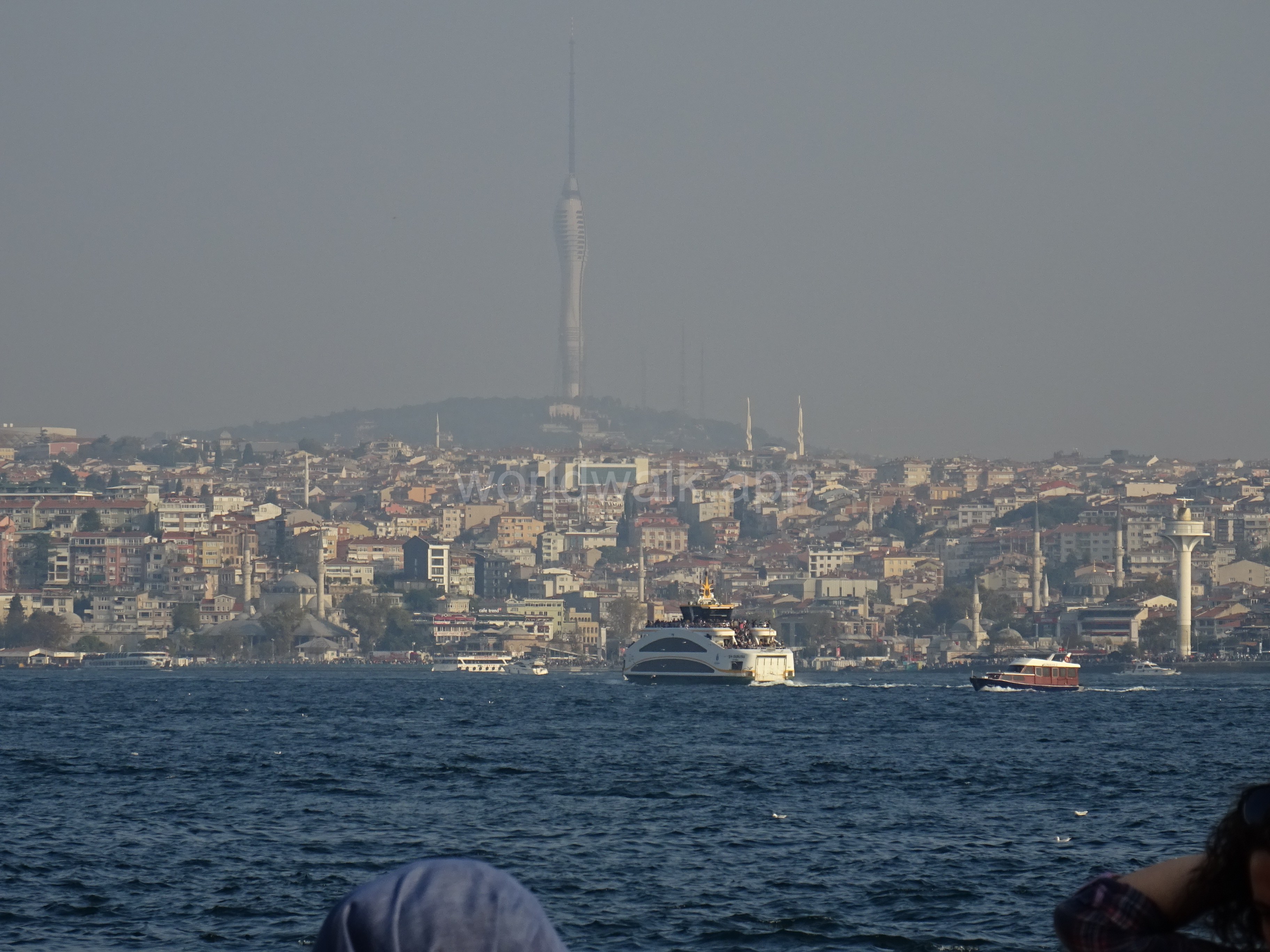
Below are the five areas worth considering, and who each suits. Checked 2 October 2026.
Quick answer
First trip, short stay: Sultanahmet. Every main monument is within walking distance, but it's crowded and priced for tourists.
A modern centre, cafés and nightlife: Beyoğlu (Taksim, İstiklal, Galata).
A "real" Istanbul at lower prices: Kadıköy on the Asian side, though the journey to Sultanahmet takes time.
A compromise between the old and new centres: Karaköy and Beşiktaş, with good transport links and the Bosphorus nearby.
Staying four days or more: consider splitting your stay between two areas.
Sultanahmet — for a first trip
The historic peninsula and the heart of old Istanbul. Hagia Sophia, the Blue Mosque, Topkapi Palace, the Basilica Cistern and the Grand Bazaar are all within about 15–20 minutes' walk of each other.
Pros: you spend no time getting to the main monuments, and you can reach Hagia Sophia in the morning before the crowds. The streets are narrow and old, with views across to the Sea of Marmara.
Cons: it's the most touristy and most crowded district in the city, and it goes quiet in the evening, with little nightlife. Prices for food and accommodation are higher than the city average, and hotels book up early in high season.
Who it suits: a first trip of two to four days, anyone who puts sights ahead of nightlife, and families with children.
Beyoğlu (Taksim, İstiklal, Galata) — the modern centre
Across the Golden Horn from Sultanahmet. İstiklal Avenue is a pedestrian street, with the Galata Tower, dozens of cafés, bars and restaurants and a lively nightlife.
Pros: a varied, modern area, from the vintage trams on İstiklal to fashionable coffee shops in the lanes of Galata. Transport links are good: the F1 funicular runs between Taksim and Kabataş, where the T1 tram goes on to Sultanahmet.
Cons: you still need to travel 20–30 minutes to reach the main sights of Sultanahmet. Some streets around Taksim can be noisy at night.
Who it suits: people who want to combine sightseeing with modern city life and nightlife, and trips of four days or more.
Kadıköy — the Asian side and "everyday" Istanbul
On the other side of the Bosphorus, where Istanbul residents go for weekend walks. There are markets, street art, independent coffee shops and a waterfront without the tourist crowds.
Pros: a more local atmosphere and often lower prices for food and accommodation than on the European side. The ferry across to Eminönü or Karaköy is one of the city's best experiences in its own right.
Cons: the journey to Sultanahmet takes a ferry plus a connection, usually 40–60 minutes each way. It's not the best choice if the historic centre is your priority and you have few days.
Who it suits: repeat visitors, anyone looking for an alternative to the tourist centre, and food lovers.
Karaköy and Beşiktaş — between the centre and the Bosphorus
Karaköy is a port district by the Galata Bridge, with bars, galleries and coffee shops. It's on the T1 tram line, which links it with Eminönü and Sultanahmet, so you can reach the old city in a few stops. Beşiktaş lies further north, near Dolmabahçe Palace and the ferry piers on the Bosphorus.
Pros: both areas are well connected to the historic and modern parts of the city, and the Bosphorus is on your doorstep. Prices are often lower than in Sultanahmet, without losing convenience.
Cons: neither area is a sight in itself. In the evening they're quieter than Beyoğlu and offer less choice than Sultanahmet does in the morning.
Who it suits: anyone who wants a middle way without paying a premium for a view of Hagia Sophia.
How to choose: three questions
- How many days do you have? For two or three days, it almost always makes sense to pay more and stay in Sultanahmet: saving time matters more than saving money. For a week or more, it's worth splitting your stay between two areas.
- What matters more in the evening, quiet or buzz? Sultanahmet quietens down at sunset; Beyoğlu does the opposite.
- Are you willing to spend time on ferries and metro for atmosphere? If so, Kadıköy is worth it.
What hotels cost
Hotel prices in Turkish lira rise with inflation, so treat these as a reference, not a quote. Third-party guides published in 2026 give roughly 1,500–3,000 TL per night for hostels and budget hotels (private room), and 3,000–5,500 TL for mid-range hotels in areas such as Beyoğlu, Taksim, Galata, Karaköy, Şişli and Kadıköy. Dorm beds are reported from roughly 700 to 1,200 TL, though sources vary widely. Check live prices for your dates, and see Istanbul prices in 2026 for how accommodation fits into a daily budget.
Frequently asked questions
Where is the best place to stay in Istanbul for the first time?
In Sultanahmet: every main monument is within walking distance, and you don't spend your first trip travelling between districts.
Is it worth staying on the Asian side (Kadıköy)?
Yes, if it isn't your first trip, or if local atmosphere matters more to you than being close to Hagia Sophia and Topkapi. The journey to Sultanahmet takes 40–60 minutes, with a ferry connection.
Which area is best for nightlife?
Beyoğlu: Taksim, İstiklal and Galata. Most of the bars, clubs and late-night places are here.
Can I stay in one area and explore the whole city?
Yes. With an Istanbulkart, the metro, tram and ferries connect the districts well, but allow travel time, especially between the European and Asian sides.
Is accommodation in Sultanahmet expensive compared with other areas?
Usually yes. It's the most touristy district, and prices for accommodation and food are above the city average. Karaköy, Beşiktaş and above all Kadıköy are usually better value.
Read also
Sources
Hotel price ranges are from third-party guides published in 2026: https://istanbeautiful.com/how-much-does-it-cost-to-visit-istanbul/ (September 2026), https://thebettervacation.com/istanbul/istanbul-trip-cost/ (August 2026) and https://www.istanbul-trip.com/guides/istanbul-travel-budget/ (prices dated June 2026). They differ by source and date, and lira prices rise with inflation.