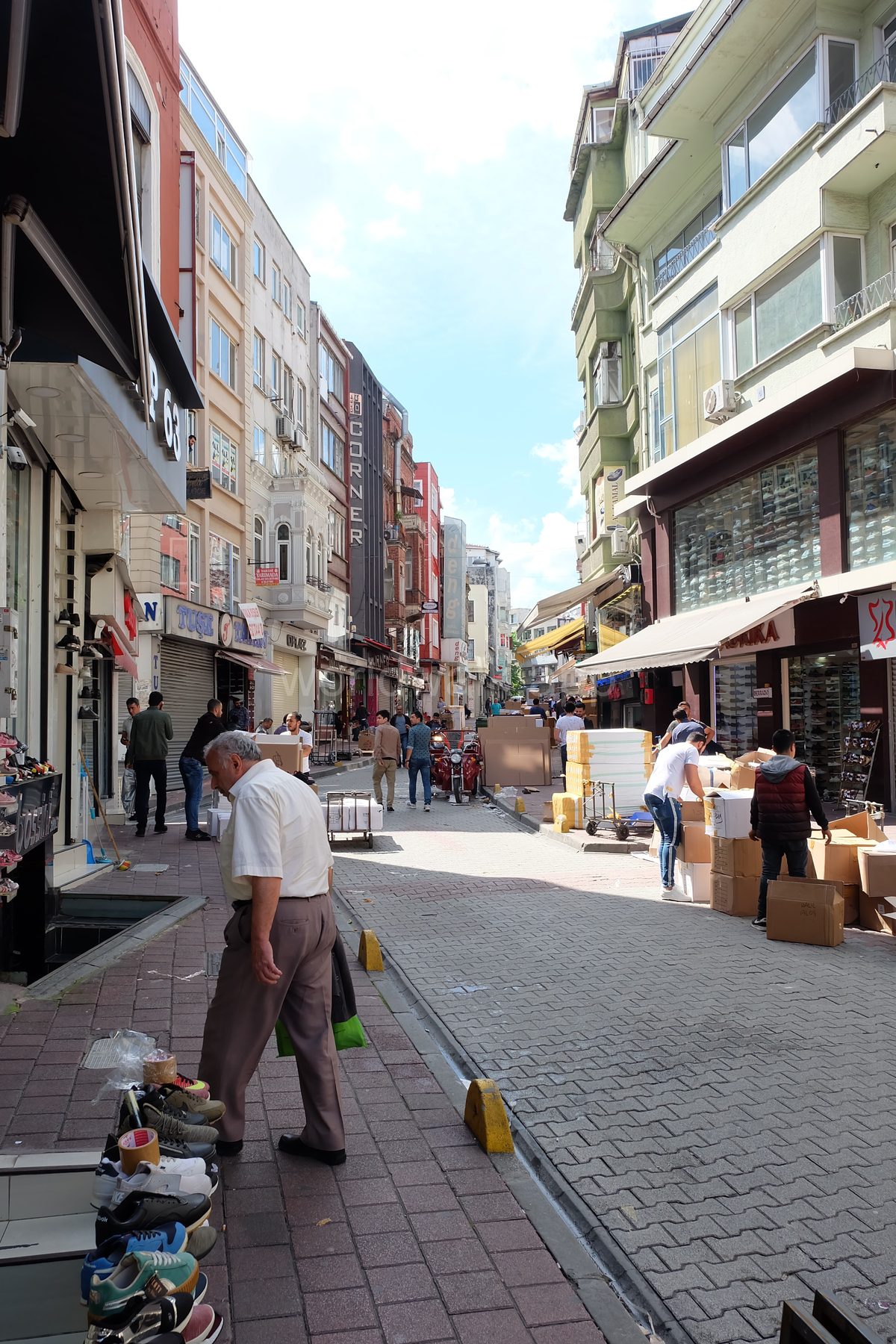
Grand Bazaar at a glance
- Open: Monday to Saturday, usually about 8:30/9:00 am–7:00 pm
- Closed: Sundays and some major religious holidays
- Admission: free
- Nearest tram stop: Beyazıt–Kapalıçarşı on T1
- Best time: weekday morning soon after opening
- Time needed: 1–2 hours for browsing; half a day for serious shopping
- Main entrances: Beyazıt Gate and Nuruosmaniye Gate
Grand Bazaar opening hours
The covered Grand Bazaar normally opens Monday through Saturday and closes on Sunday. Most shops trade from around 8:30 or 9:00 am until 7:00 pm, although individual traders begin packing up earlier.
The bazaar may close for several days during Ramadan Bayramı or Kurban Bayramı, and individual shops can keep different hours on public holidays. If your visit falls near a holiday, confirm locally before crossing the city.
Weekday mornings are the calmest. By midday, especially when cruise ships are in port, the central lanes can become crowded. Sunday is not a good day to “try anyway”: the covered gates are generally shut, although surrounding street shops and the Spice Bazaar may be open.
Read also: Blue Mosque Istanbul: Dress Code, Free Entry and Visiting Hours
How to get to the Grand Bazaar
Take the T1 tram to Beyazıt–Kapalıçarşı. The Beyazıt entrance is directly across from the stop. From Sultanahmet, it is only a few tram stops or roughly a 15-minute walk.
Other useful routes include:
- M2 metro to Vezneciler, then walk about 10 minutes;
- Marmaray to Sirkeci, then T1 toward Bağcılar;
- F1 funicular from Taksim to Kabataş, then T1.
Traffic around Beyazıt is slow and streets near the gates can be restricted, so a tram is usually easier than a taxi. Read our Istanbulkart guide before using public transport.
Which entrance should you use?
The bazaar has more than 20 gates, but two are easiest for first-time visitors:
- Beyazıt Gate (Beyazıt Kapısı): convenient for the T1 tram and Istanbul University side.
- Nuruosmaniye Gate (Nuruosmaniye Kapısı): convenient for Sultanahmet and the jewelry streets.
Save the gate you entered on your phone, but do not worry about following a perfect route. Getting mildly lost is part of the experience. The İç Bedesten, the oldest covered section, lies near the center. Signs identify streets and trades, and shopkeepers can direct you to the nearest exit.
Read also: What to Eat in Istanbul: A Food Guide for Visitors
What to buy at the Grand Bazaar
Common purchases include:
- handmade or factory-made carpets and kilims;
- gold and silver jewelry;
- İznik- and Kütahya-style ceramics;
- leather bags, jackets and shoes;
- textiles, scarves and towels;
- glass lamps and metalwork;
- small nazar boncuğu “evil eye” charms.
Quality varies enormously. “Handmade” does not automatically mean locally made, old or unique. For expensive carpets, antiques or jewelry, ask for written details about material, origin, age, return terms and shipping. Do not treat a seller’s story as proof of provenance.
For spices, tea and Turkish delight, the nearby Spice Bazaar (Mısır Çarşısı) offers a more concentrated selection, although it is also tourist-oriented.
How to bargain without making it awkward
Bargaining is normal for carpets, jewelry, leather goods, ceramics and many souvenirs. It is less relevant where prices are clearly fixed.
A good approach is simple:
- Compare similar items in several shops.
- Decide what the item is worth to you before negotiating.
- Ask for the seller’s best price and make a calm counteroffer.
- Confirm the final price, currency and card surcharge before paying.
- Walk away politely if the price does not work for you.
There is no universal “correct percentage” to discount. Starting prices, margins and quality vary too much for a formula. Tea is part of the sales ritual, not an obligation to buy.
Common problems and tourist traps
The bazaar itself is busy rather than inherently unsafe, but keep an eye on your belongings in crowds. The more common problems are commercial:
- a friendly stranger guiding you to a “friend’s special shop”;
- pressure to make an immediate decision;
- vague claims that an item is antique or handmade;
- a price changing when you choose card rather than cash;
- shipping or return promises that are not written down.
For a high-value purchase, pay with a method that provides a receipt and consumer protection. Check customs rules in your destination country before buying antiques, large carpets or products made from animal materials.
What to see near the Grand Bazaar
The Spice Bazaar is about 15–20 minutes downhill toward Eminönü. Süleymaniye Mosque is another worthwhile detour, and the Column of Constantine stands close to the T1 line. Hagia Sophia, the Blue Mosque and the Basilica Cistern are all within walking distance or a short tram ride.
For cash exchange nearby, see where to exchange money in Istanbul.
Frequently asked questions
Is the Grand Bazaar open on Sunday?
No. The covered bazaar is normally closed on Sundays and may also close during major religious holidays.
Is there an entrance fee?
No. The Grand Bazaar is a functioning market, and entry is free.
What is the nearest tram stop?
Beyazıt–Kapalıçarşı on the T1 line. The Beyazıt Gate is directly opposite the stop.
Do you have to bargain?
No, but bargaining is expected for many non-fixed-price goods. Compare shops and agree on the final price before paying.
How long should you spend at the Grand Bazaar?
Allow 1–2 hours for atmosphere and casual browsing. Serious carpet, jewelry or leather shopping can take half a day.
Related Istanbul guides
- Basilica Cistern, Blue Mosque and Topkapi Palace — the rest of the Sultanahmet cluster, a short tram ride away.
- Istanbulkart and public transport — buy the card before your first T1 ride.
- Istanbul Airport to the city — transfer options from IST and SAW.
- SIM card and eSIM in Istanbul — get data working before you start navigating the bazaar's lanes.