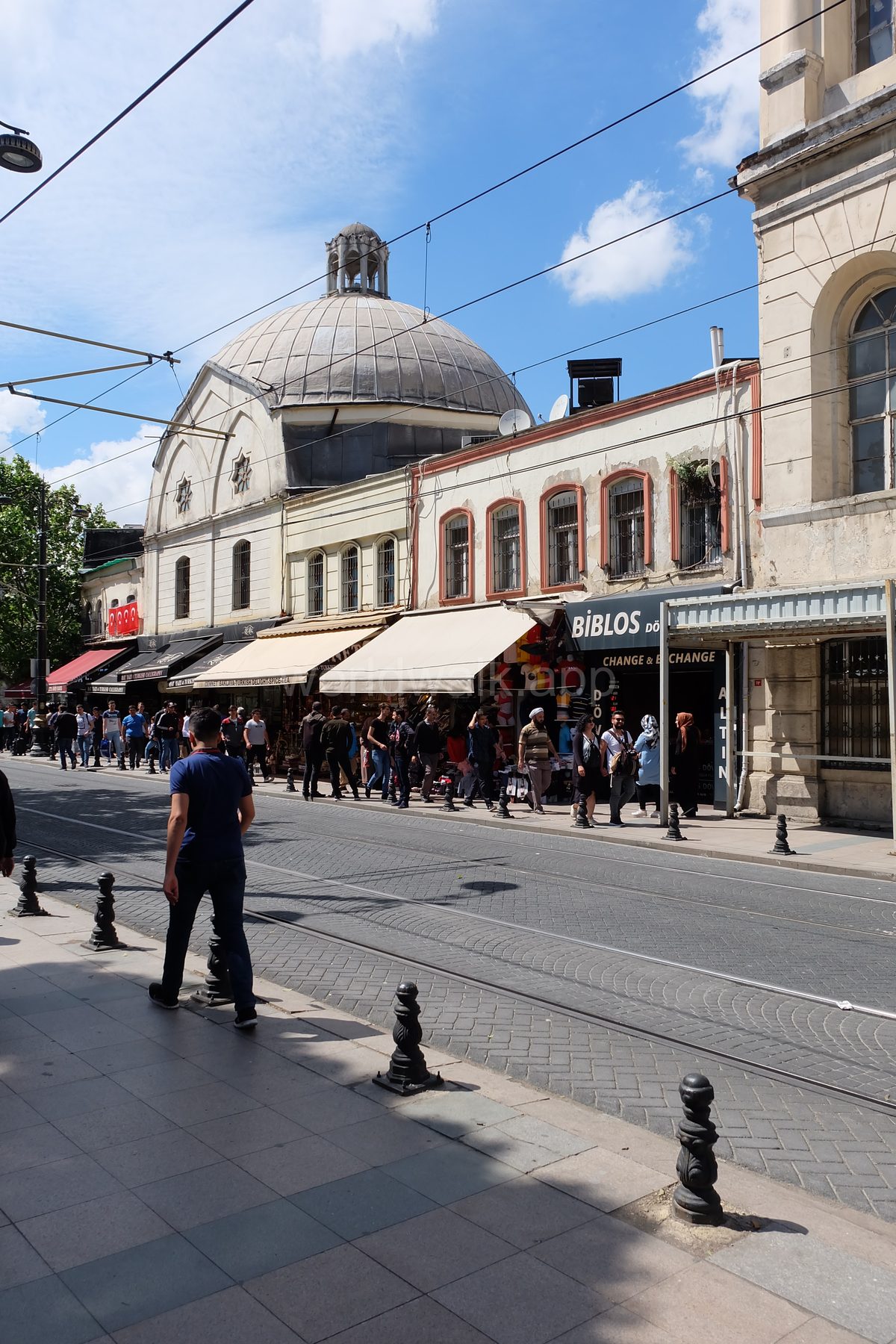
The short answer
For cash exchange, compare licensed döviz bürosu offices around the Grand Bazaar, Sirkeci, Eminönü or Laleli. Competition is strong and spreads are generally better than at airport counters or hotel desks. Bring clean, undamaged USD, EUR or GBP notes. If you use an ATM or card terminal, choose to be charged in Turkish lira, not your home currency.
Exchange only a small amount at the airport if you need cash immediately. In central Istanbul, compare the ALIŞ rate at two or three nearby offices and ask whether any commission applies before handing over money.
What currency is used in Istanbul?
The local currency is the Turkish lira, shown as TRY or ₺. Prices sometimes appear in euros or US dollars in heavily touristed businesses, but paying in a foreign currency usually means accepting the merchant’s conversion rate. For ordinary spending, pay in lira.
Since 30 January 2026, restaurants and cafés can’t add a service or cover charge to the bill, so the menu price is what you pay. See what to eat in Istanbul.
Cards are widely accepted in hotels, restaurants, museums and larger shops. Cash remains useful for:
- market stalls and small purchases;
- some taxis;
- street food;
- cash-only top-ups or machines;
- situations where a card terminal is unavailable.
Because the lira can move quickly, there is little reason to exchange your entire trip budget at once.
Read also: Istanbul Prices in 2026: Tickets, Transport, Food and What a Day Costs
Best places to exchange money in Istanbul
Look for a sign reading Döviz or Döviz Bürosu. The most competitive areas are usually busy commercial districts with several offices close together:
- Grand Bazaar and the streets around it — high transaction volumes and many competing offices;
- Sirkeci and Eminönü — convenient for the Old City and ferry terminals;
- Laleli — a wholesale and trading district with many exchange counters;
- Taksim and İstiklal Avenue — convenient, though often a little more tourist-oriented.
The best office is not a permanent named recommendation: rates change during the day. Compare two or three boards within the same area instead of crossing the city to save a tiny amount.
How to read a Turkish exchange-rate board
Two words matter:
- ALIŞ means the office buys foreign currency from you.
- SATIŞ means the office sells foreign currency to you.
If you are handing over euros, pounds or dollars and receiving lira, compare the ALIŞ rate. A higher ALIŞ figure gives you more lira for your money.
Ask whether the displayed rate is final and whether there is a commission. Komisyonsuz means “no commission.” Always count the lira at the counter before walking away and keep the receipt for a large exchange.
Read also: Grand Bazaar Istanbul: Opening Hours, Shopping and Bargaining
Where not to exchange money
Airport exchange counters
Airport counters offer convenience, not value. If you land without lira, exchange only enough for your immediate needs or withdraw a modest amount from a bank-operated ATM. Make the main exchange in the city.
Hotel reception desks
Hotels may exchange money for guests, but the spread is normally worse than at a dedicated exchange office.
Businesses that do not display both rates
Avoid informal exchange offers, shops without a clear rate board and anyone who changes the final rate after seeing your notes. Use a licensed office and agree on the amount before handing over cash.
ATMs in Istanbul: fees and DCC
An ATM can be more convenient than carrying a large amount of foreign cash, but there may be two separate charges:
- a fee from the Turkish ATM operator;
- a foreign-withdrawal or currency-conversion fee from your own bank.
Use an ATM attached to a recognized bank branch where possible. Review every fee shown on screen and cancel if it is excessive.
The biggest trap is dynamic currency conversion (DCC). The ATM or card terminal may offer to convert the purchase into USD, EUR, GBP or another home currency. Decline that conversion and choose TRY / Turkish lira. Your own bank or card network will then handle the conversion, which is usually better than the terminal’s marked-up rate.
Never accept help from a stranger while entering your PIN, and do not let anyone take your card out of sight.
What cash should you bring?
USD, EUR and GBP are the easiest major currencies to exchange. Bring clean, untorn and unmarked notes; damaged bills may be rejected or offered a worse rate. Smaller amounts give you flexibility, but very small foreign notes can receive a less attractive rate than standard denominations.
A low-stress money strategy
- Arrive with a working international card and a small reserve of cash.
- If necessary, get only a small amount of lira at the airport.
- Compare two or three döviz offices in a commercial district.
- Exchange enough for the next few days, not the entire trip.
- Pay by card where convenient, always in TRY.
- Keep backup cash and your main wallet in separate places.
For transport payments, see how to buy and use Istanbulkart. If you have just landed, our Istanbul airport-to-city guide explains which options need cash and which use separate tickets.
Frequently asked questions
Where is the best place to exchange money in Istanbul?
Compare licensed döviz offices around the Grand Bazaar, Sirkeci, Eminönü or Laleli. These commercial areas have strong competition and usually better spreads than airports and hotels.
Should I bring euros, US dollars or British pounds?
All three are widely exchanged. Bring whichever major currency you can obtain with the lowest total cost at home, and use clean, undamaged notes.
Is it better to exchange cash or use an ATM?
It depends on your bank’s fees. A good döviz office can be competitive for cash, while a bank ATM is convenient for smaller withdrawals. Check both the local ATM fee and your home bank’s foreign-use fee.
Should I pay in lira or my home currency?
Choose Turkish lira. Paying or withdrawing in your home currency usually activates dynamic currency conversion and a worse exchange rate.
Can I pay in euros or dollars in Istanbul?
Some tourist businesses accept them, but the conversion rate may be poor. Turkish lira is the better default for everyday spending.
Related Istanbul guides
- Grand Bazaar — one of the best döviz-office clusters is right around the bazaar.
- Istanbulkart and public transport — top up your transport card with cash if a card is declined.
- Istanbul Airport to the city — how much cash to get at the airport before heading into town.
- SIM card and eSIM in Istanbul — another setup task worth doing before you land.
- Basilica Cistern, Blue Mosque and Topkapi Palace — where you'll likely spend your first lira.